
Silver CFD

Understanding Silver CFDs Trading: A Beginner's Guide


Silver is a popular precious metal that has been used for thousands of years as currency, jewelry, and industrial material. In recent years, it has also become a popular trading asset, thanks to the rise of Silver CFDs (Contracts for Difference). In this guide, we’ll explain what Silver CFDs are, how they work, and what you need to know to start trading them.

What are Silver CFDs?

A Silver CFD is a financial contract that allows you to speculate on the price movement of silver without actually owning the physical metal. Instead, you enter into an agreement with a broker to buy or sell a certain amount of silver at a certain price, with the difference between the buying and selling price being your profit or loss. CFDs are traded on margin, which means you only need to put up a fraction of the total trade value as collateral, making it possible to trade with higher leverage than you might be able to with physical silver.

How do Silver CFDs work?

Let’s say you believe that the price of silver is going to rise in the near future. You decide to buy a Silver CFD for 100 ounces of silver at $25 per ounce. If the price of silver rises to $30 per ounce, you can sell your CFD and make a profit of $500 (100 ounces x ($30-$25)). Conversely, if the price of silver falls to $20 per ounce, you would sell your CFD and incur a loss of $500. It’s important to note that CFD trading involves significant risk, and losses can exceed your initial investment.

What are the benefits of trading Silver CFDs?

One of the main benefits of trading Silver CFDs is that you can profit from both rising and falling prices. In other words, you can short-sell silver if you believe its price is going to decrease. CFDs are also highly liquid, which means you can enter and exit trades quickly and easily. Additionally, CFDs can be traded 24/7, which allows you to take advantage of market movements around the clock.

What are the risks of trading Silver CFDs?

While Silver CFDs offer the potential for high profits, they also come with significant risks. Since CFDs are traded on margin, losses can exceed your initial investment. It’s important to understand the risks involved and to have a solid risk management strategy in place before trading CFDs. Additionally, CFDs are subject to overnight financing charges and other fees, which can eat into your profits.

Conclusion

Silver CFDs trading can be a lucrative and exciting way to speculate on the price movements of silver. However, it’s important to understand the risks involved and to approach trading with a sound strategy and risk management plan. By keeping these factors in mind and staying up-to-date on market news and trends, you can potentially profit from the dynamic and constantly-evolving world of Silver CFDs trading
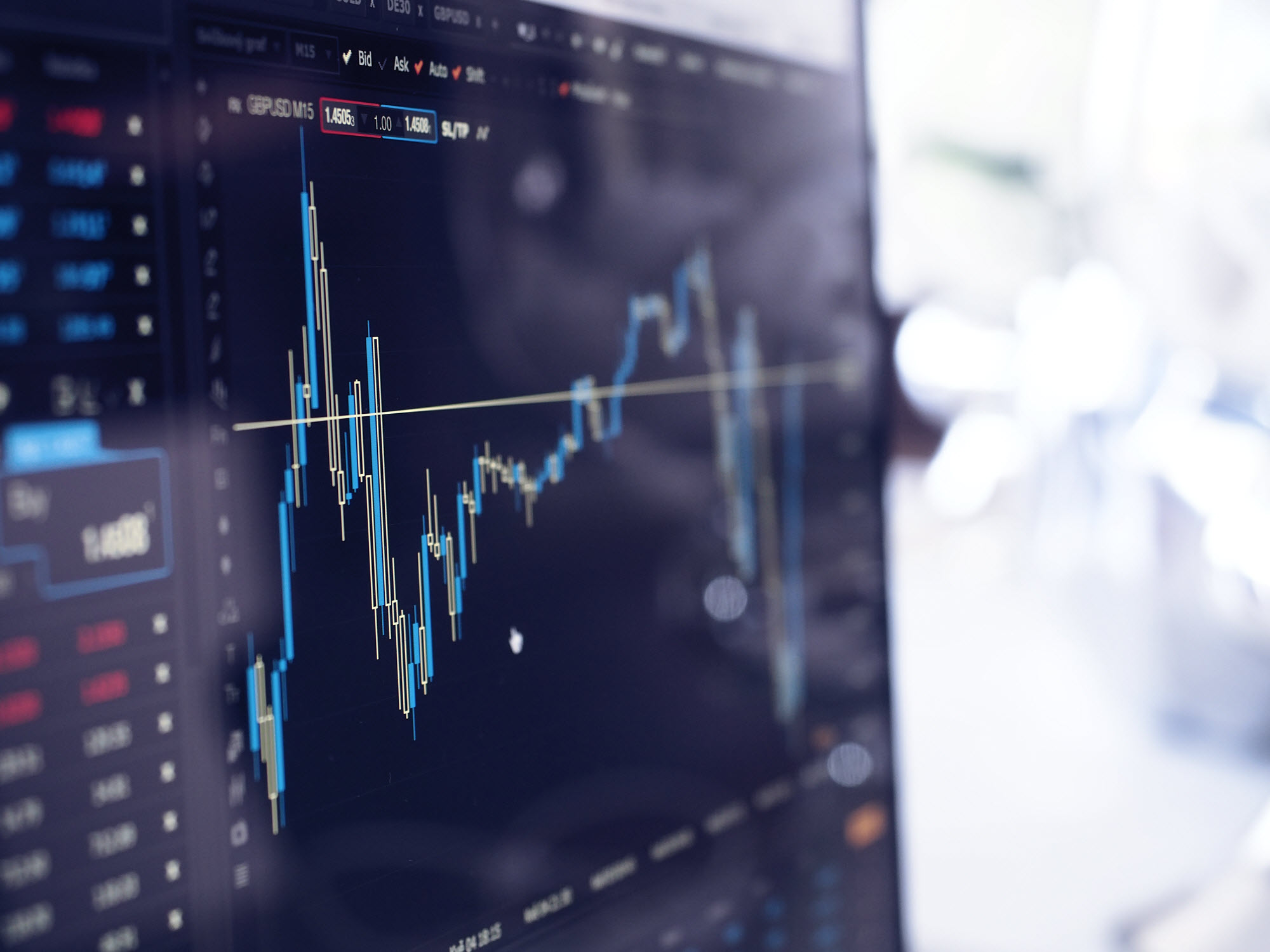
Stock Maket

Stock Market

The stock market is a collection of exchanges, where different equities from various companies get traded. 

The more shares in a company you purchase, the higher your ownership stake.

A dividend is a sum of money, the greater your ownership, the more money you will receive.

The stock market is open for 8 hours, from 9:30 a.m. to 4 p.m. Eastern time (on weekdays). Unlike Forex, which operates 24 hours a day on weekdays.

The volume traded per day is $200 billion.

Shares can be bought and sold to others via this network of exchanges (similar to buying and selling currencies.)

The main value from stocks is what’s known as “capital gains.” This guarantees you a profit from selling the stock.

Futures Trading

  1. Futures contracts are a type of financial instrument that allows traders to speculate on the future price of an asset. Futures contracts can be used for a variety of purposes, including hedging and speculation. In this article, we will discuss futures contract speculation.

    Futures contracts are agreements between a buyer and a seller to exchange a specific asset at a predetermined price and date in the future. Futures contracts are traded on regulated exchanges and are standardized in terms of the size, expiration date, and quality of the underlying asset. This standardization makes futures contracts highly liquid and easily tradable.

    Futures contract speculation involves taking a position in a futures contract with the expectation of profiting from price movements in the underlying asset. Traders who engage in futures contract speculation believe that they can accurately predict the future price of the underlying asset and profit from their predictions.

    For example, a trader may speculate on the price of crude oil futures contracts. If the trader believes that the price of crude oil will increase in the future, they may buy crude oil futures contracts at the current market price. If the price of crude oil futures contracts increases in the future, the trader can sell the contracts at a higher price and realize a profit.

    Futures contract speculation can be highly profitable but also comes with significant risks. Futures contracts are highly leveraged financial instruments, meaning that traders can control a large amount of an underlying asset with a relatively small amount of capital. However, leverage also magnifies the potential losses of a trade.

    Additionally, futures contract speculation requires a significant amount of knowledge and experience in the underlying asset’s market. Traders must be able to analyze market data, economic indicators, and news events to accurately predict future price movements. Without proper knowledge and experience, traders can easily make incorrect predictions and suffer significant losses.

    In conclusion, 
  2. futures contract speculation is a popular trading strategy among experienced traders who have a deep understanding of the underlying asset’s market. It involves taking a position in a futures contract with the expectation of profiting from price movements in the underlying asset. While highly profitable, futures contract speculation also comes with significant risks, and traders must exercise caution and use appropriate risk management strategies to minimize losses.

Types of Fixed Income

Primary Market Benefits:

  1. 1. Companies can raise their capital at minimal costs.
  2. 2. An excellent approach to reduce risk with diversification.
  3. 3. Lack of market fluctuations.
  4. 4. Primary market is highly liquid because securities can be sold immediately.
  5. 5. This market has the potential to attract direct foreign investors.
  6. 6. Lower price manipulation.

Secondary Market Benefits:


  1. 1. Secondary market trading is accessible, as it doesn’t require a surplus of capital or funds.Secondary market trading is accessible, as it doesn’t require a surplus of capital or funds.
  2. 2. Analyzing a company’s relevance and performance is easy, by simply evaluating stock prices.
  3. 3. This market offers consumers informative insights about the company’s financial health.
  4. 4. victors can sell and buy stocks easily, ensuring liquidity.
  5. 5. Investors can generate an incredible profit in a shorter time.


Fixed Income & Mutual funds

Quick Facts:

  1. 1. Fixed-income markets represent the most significant subset of financial markets, regarding the number of issuances and market capitalization.
  2. 2. Fixed-income markets are three times bigger than the size of global stock markets.
  3. 3. Fixed income can offer a steady stream of income with less risk than stocks.
  4. 4. A higher interest income yield over the tenor of the bonds.
  5. 5. Fixed-income markets are three times bigger than the size of global equity markets.

Quick Facts:

  1. 1. A mutual fund is a type of investment vehicle consisting of a portfolio of stocks, bonds, or other securities.
  2. 2. Mutual funds provide access to diverse, professionally managed portfolios for small and individual investors.
  3. 3. Mutual funds are classified into numerous types based on the securities they invest in, their investment objectives, and the type of returns they seek..
  4. 4. Mutual funds charge annual fees, expense ratios, or commissions, which may affect their overall returns.


This site is registered on wpml.org as a development site. Switch to a production site key to remove this banner.