How to Invest in Bonds

Investing in bonds is an excellent way to diversify your investment portfolio and generate fixed income. Bonds provide investors with a regular flow of income and can be a low-risk investment option. This section will provide an overview of bond investing and the key factors to consider when investing in bonds.

Bonds are a type of debt security where an investor loans money to an entity such as a government or company. In return, the entity promises to repay the borrowed amount with interest over a designated period. Bonds can be government bonds or corporate bonds, and each type has its unique characteristics.

When investing in bonds, it is crucial to understand the bond market, including how bond prices and yields are determined. The value of a bond can be influenced by different factors such as interest rates, supply and demand, and the credit rating of the issuer.

There are various types of bonds available, such as treasury bonds, municipal bonds, and high-yield bonds. Each type of bond comes with its risks and rewards, and it’s essential to have a clear understanding of these before investing.

Investing in bond funds is another popular way to gain exposure to bonds. These funds pool money from many investors and invest in a variety of bonds, providing instant diversification. This section will discuss the steps involved in investing in bonds and offer tips for successful bond investing, including the importance of credit ratings, diversification, and monitoring interest rate changes.

Key Takeaways

1- Bonds are a type of debt security where an investor loans money to an entity.

2- Investing in bonds is a way to diversify an investment portfolio and generate fixed income.

3- It is essential to understand the bond market, including how bond prices and yields are determined.

4- There are different types of bonds available, each with its risks and rewards.

5- Investing in bond funds is a popular way to gain exposure to bonds.

6- Successful bond investing requires diversification, understanding credit ratings, and monitoring interest rate changes.

When it comes to investing, bonds are often considered a smart way to diversify a portfolio and generate income. But what exactly are bonds?

A bond represents a loan made by an investor to a borrower, typically a corporation or government entity. In exchange for the loan, the borrower agrees to pay the investor a fixed rate of interest over a specified period of time, known as the bond’s term.

There are two main types of bonds: government bonds and corporate bonds.

Government BondsCorporate Bonds
Issued by national governments to fund public projects or pay off debt.Issued by companies to raise capital for various purposes, such as expanding operations.
Considered less risky than corporate bonds due to the backing of the government.Considered riskier than government bonds due to the potential for default or bankruptcy.
Typically have lower yields than corporate bonds.Typically have higher yields than government bonds.

It’s important to note that bonds are not without risks. Bond prices are subject to fluctuations due to changes in interest rates, inflation, and creditworthiness of the borrower. In the next section, we’ll explore the intricacies of the bond market and how bond prices are determined.


The bond market is a vast and complex financial market where investors buy and sell bonds. Bond prices and yields are determined by the supply and demand of bonds in this market. When demand for bonds is high, prices increase, and yields decrease. Conversely, when demand for bonds is low, prices decrease, and yields increase.

The relationship between bond prices and interest rates is essential to the bond market. When interest rates rise, bond prices decrease because new bonds are issued at higher interest rates, making the existing bonds less attractive. Similarly, when interest rates fall, bond prices increase because new bonds are issued at lower rates, making the existing bonds more valuable.

Bond yield is another important concept in the bond market. It represents the return an investor expects to receive from a bond investment. Yield is calculated by dividing the annual interest payment by the bond’s price. As bond prices change and interest rates fluctuate, so does the yield of a bond.

There are various types of bonds available for investors, each with its unique characteristics and risks. Here are the most common types of bonds:

Bond TypeDescriptionIssuer
Treasury bondsBacked by the full faith and credit of the US government, these bonds have a low risk of default but offer lower returns.US government
Municipal bondsIssued by state and local governments, these bonds provide tax-free income to investors and fund public projects such as schools and roads.State and local governments
Corporate bondsIssued by companies to raise capital, these bonds offer higher returns but come with a higher risk of default.Corporations
High-yield bondsAlso known as junk bonds, these bonds have a higher risk of default but offer higher returns to compensate for the risk.Corporations

Investors should carefully assess the risks and potential returns of each type of bond before investing. Treasury bonds are the safest option but offer the lowest returns, while high-yield bonds have the potential for high returns but come with a greater risk of default. Municipal bonds are a popular choice for investors in higher tax brackets due to their tax-free income.

Investing in bonds can be a smart way to diversify your portfolio and generate a fixed income. Here are the steps critical to invest in bonds:

1- Define your investment goals: Determine your investment objectives and risk tolerance to identify the type of bonds that are suitable for your portfolio.

2- Choose your bonds: Consider the bond’s yield, maturity, credit rating, and other factors when selecting bonds to invest in. You can choose to invest in individual bonds or bond funds that offer greater diversification.

3- Place your order: You can purchase bonds directly from the issuer or through a broker or financial advisor. Follow the specific instructions provided by the issuer or your financial institution to place your order.

4- Monitor your investments: Keep track of your bond investments’ performance and stay informed about any market changes that may impact your portfolio. Consider rebalancing your portfolio periodically to ensure it aligns with your investment goals and risk tolerance.

    Bond funds are an attractive option for investors who lack the expertise or resources to conduct detailed research on individual bonds. Bond funds pool investors’ money to purchase a diversified portfolio of bonds managed by professional fund managers.

    Fixed income generated by bond investments is an excellent way to secure a stable stream of income while protecting against inflation. However, it is essential to conduct thorough research and understand the risks associated with different types of bonds before investing.

    Investing in bonds can be a smart way to generate a steady stream of income and diversify your investment portfolio. However, it is important to approach bond investing with caution and take steps to manage risks. Here are some tips for successful bond investing.

    One of the most important steps in successful bond investing is diversification. By spreading your investments across different types of bonds, you can minimize the impact of any one bond defaulting or losing value. Consider investing in a mix of government bonds, municipal bonds, and corporate bonds to balance your portfolio.

    Before investing in any bond, it is important to understand its credit rating. Bond credit ratings indicate the issuer’s likelihood of defaulting on the bond. Bonds with higher credit ratings are generally considered less risky, but they also offer lower returns. It is important to find the right balance between risk and reward based on your financial goals and risk tolerance.

    The price of bonds is directly impacted by changes in interest rates. When interest rates rise, bond prices typically fall, and vice versa. It is important to stay up-to-date on interest rate changes and adjust your bond portfolio accordingly. Consider investing in bond funds that are actively managed to help ensure your investments are aligned with current market conditions.

    Bond funds can be a great way to gain exposure to a variety of bonds without having to invest in individual bonds. Bond funds can also offer professional management, diversification, and liquidity. There are a variety of bond funds available, from short-term bond funds to high-yield bond funds. Before investing in a bond fund, be sure to research the fund’s fees, performance history, and investment strategy.

    Like any investment, bond investing comes with risks. It is important to manage these risks to ensure you are maximizing your returns. Consider to invest in bonds with a shorter maturity date or in bond funds that hold a mix of short-term and long-term bonds. It is also important to avoid chasing high yields, as this can lead to investing in high-risk bonds that may not be suitable for your investment goals.

    By following these tips, you can approach bond investing with confidence and minimize your investment risks. With the right strategy, bond investing can be a valuable addition to your investment portfolio.

    Investing in bonds is a smart way to diversify your portfolio and generate income. By understanding the various types of bonds and the factors that affect their prices, you can make informed decisions when selecting bonds to invest in.

    When investing in bonds, it’s important to consider the risks and benefits associated with different types of bonds, as well as the role of bondholders. Bond funds are a popular investment option that provide the potential for generating a fixed income through bond investments.

    To maximize returns and manage risks, it’s important to diversify your bond portfolio, understand credit ratings, and monitor interest rate changes. By following these practical tips, you can achieve success in bond investing.

    Overall, bonds offer a reliable and stable investment option for those looking to diversify their portfolio and generate income. Consider to invest in bonds to your investment strategy to reap the benefits they offer.
    How to Use a Moving Averages to Buy Stocks

    If you are new to stock trading, you might have heard of the term “moving averages” A moving average is a commonly used technical analysis tool that helps traders identify trends and potential buy/sell opportunities.

    In this article, we will explain what moving averages are, how to use them to buy stocks, and advanced techniques to help you take your trading to the next level.

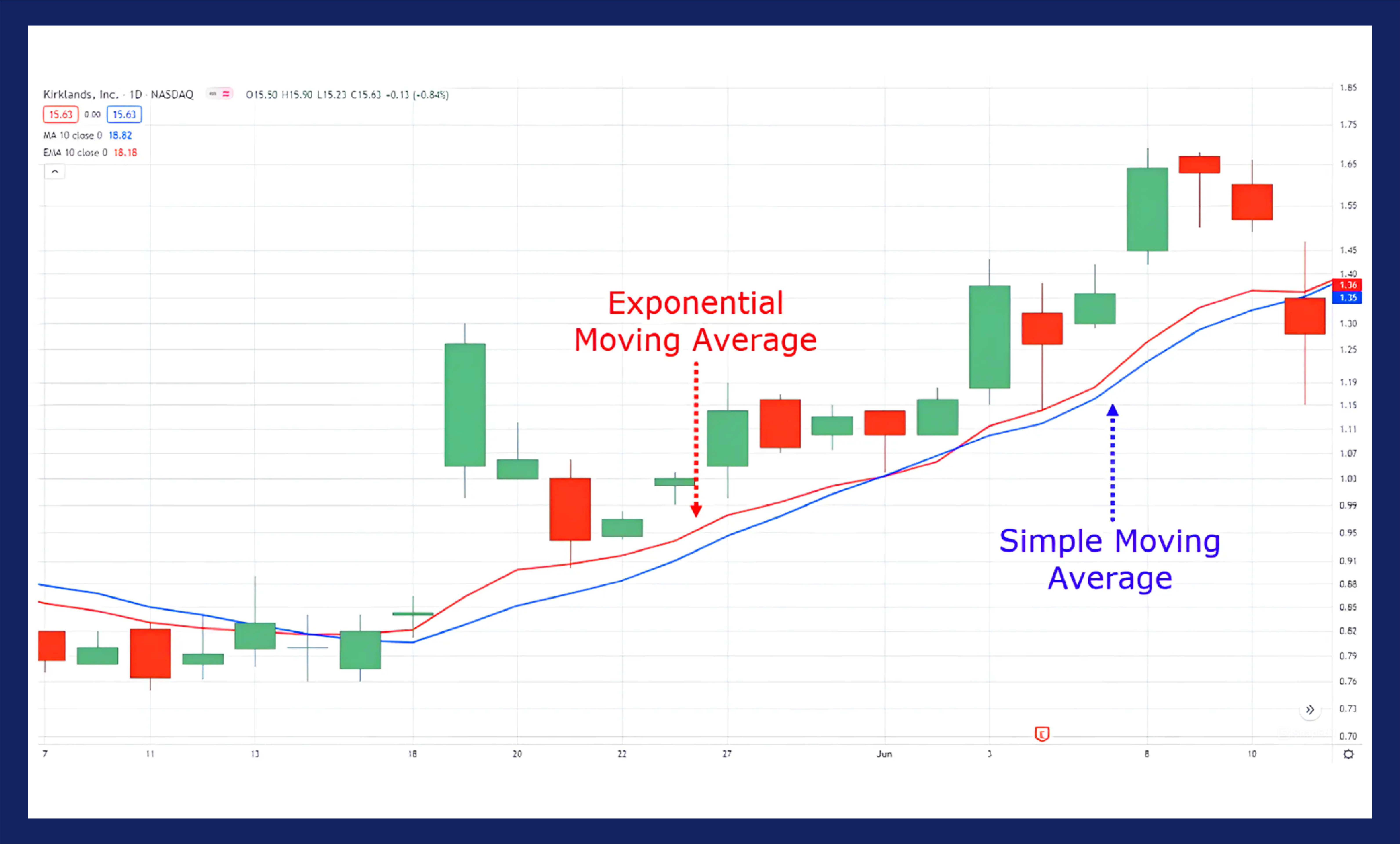
    Before we get started, there are two types of moving averages: simple moving averages (SMA) and exponential moving averages (EMA). SMAs give equal weight to each data point, while EMAs give more weight to recent data points. The choice between SMAs and EMAs depends on your trading strategy and style.

    Key Takeaways:

    • Moving averages are commonly used technical analysis tools for identifying trends and potential buy/sell opportunities.
    • There are two types of moving averages: simple moving averages (SMA) and exponential moving averages (EMA).
    • The choice between SMAs and EMAs depends on your trading strategy and style.

    Understanding Moving Average Crossovers

    If you’ve started trading stocks, you probably already stumbled upon the concept of moving averages. A moving average is a trend-following indicator that smooths out fluctuations in stock prices, showing an average price over a certain period of time. However, it’s not enough to simply know what a moving average is, you need to understand what a moving average crossover is and how to use it in your trading strategy.

    What is a Moving Average Crossover?

    A moving average crossover occurs when two moving averages with different periods intersect. Specifically, a shorter period moving average (e.g. 20-day moving average) will intersect a longer period moving average (e.g. 50-day moving average) at some point. This intersection represents a change in trend direction and can signal a buy or sell signal for traders.

    There are two types of moving average crossovers:

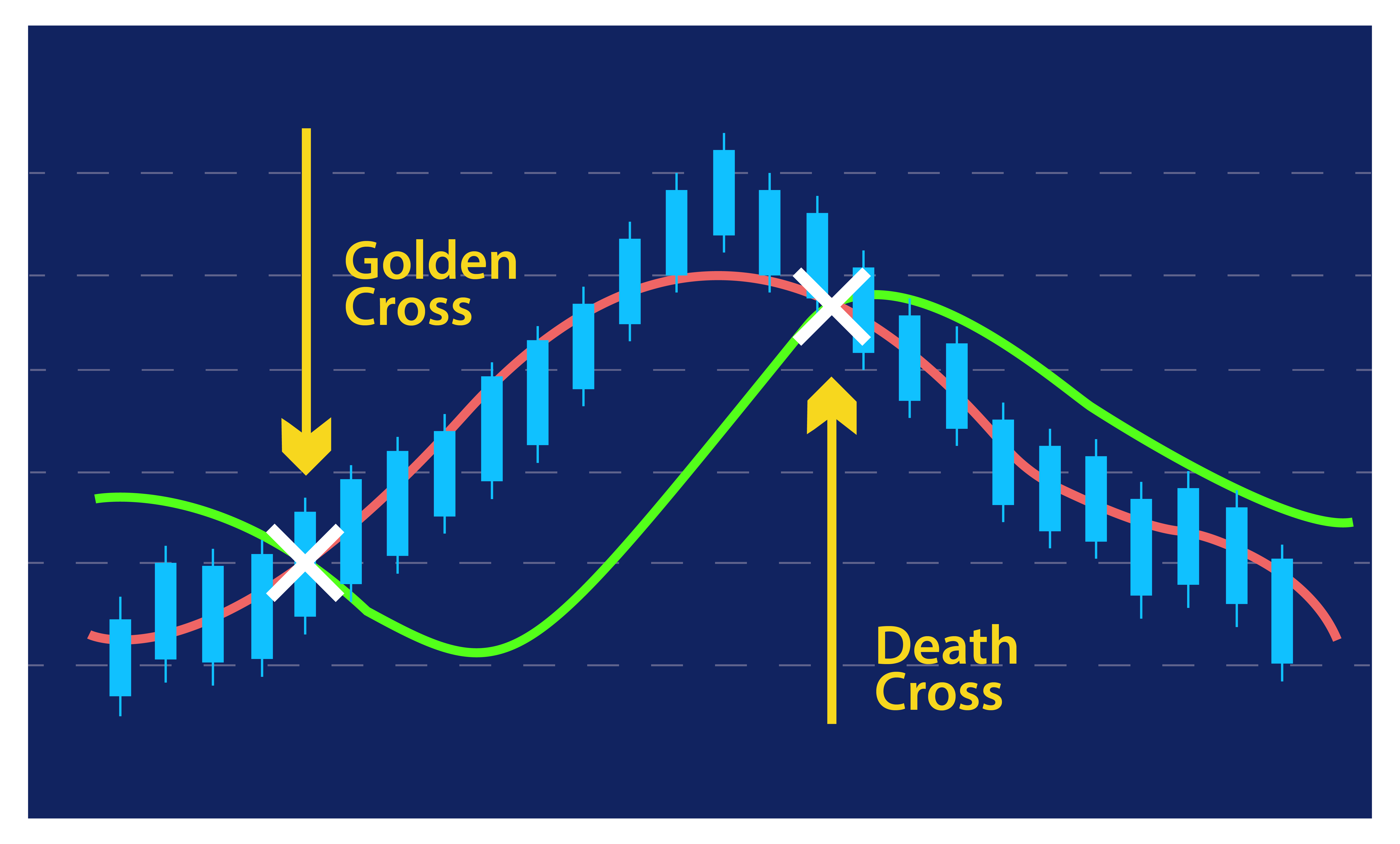
    • Golden Cross: This occurs when a shorter period moving average (e.g. 50-day moving average) crosses above a longer period moving average (e.g. 200-day moving average), indicating a bullish trend.
    • Death Cross: This occurs when a shorter period moving average (e.g. 50-day moving average) crosses below a longer period moving average (e.g. 200-day moving average), indicating a bearish trend.

    The moving average crossover is one of the most popular trading strategies for technical analysts. Its simplicity and clarity make it an effective tool for identifying trends and making trading decisions.

    How to Use Moving Average Crossovers in Your Trading Strategy

    When using moving average crossovers in your trading strategy, it’s important to consider the following:

    • Timeframe: Choose a timeframe that suits your trading style and goals. Short-term traders may use a shorter period moving average (e.g. 20-day moving average) while long-term traders may use a longer period moving average (e.g. 200-day moving average).
    • Confirmation: Use other indicators or technical analysis tools to confirm the buy or sell signal from the moving average crossover. Don’t rely solely on the crossover signal.
    • Risk management: Set stop-loss orders to limit losses in case the trade goes against you. Also, consider the risk-to-reward ratio before entering a trade.

    In conclusion, understanding moving average crossovers is essential for traders who want to use technical analysis to make informed trading decisions.

    By combining moving averages with other technical analysis tools, traders can increase their chances of success.

    Calculating and Using Moving Averages

    Now that you understand the basics of moving averages and how they can be used in conjunction with your stock trading strategy, let’s explore the specifics of how to calculate and use moving averages.

    The Moving Average Formula

    There are two main types of moving averages: the simple moving average (SMA) and the exponential moving average (EMA).

    The SMA calculates the average price of a stock over a specific time period, while the EMA places more weight on recent prices. The formula for calculating the SMA is:

    PeriodClosing PricesSMA
    Day 1100
    Day 2110
    Day 3120
    Day 4130
    Day 5125
    Day 6135
    Day 7140
    Day 8145
    Day 9150
    Day 10155

    For example, let’s say you want to calculate the SMA for a stock over a 10-day period. The closing prices for each day are listed in the table above. To calculate the average price for the first day, you would add the closing prices for days 1 through 10 and divide by 10:

    (100 + 110 + 120 + 130 + 125 + 135 + 140 + 145 + 150 + 155) / 10 = 130

    So the SMA for day 10 would be 130.

    Using Moving Averages for Trading

    Once you have calculated the SMA or EMA for a stock, you can use it in a number of ways to inform your trading strategy. For example:

    • Buy signals: If the price of a stock crosses above its moving average, it may indicate a buy signal. This is known as a golden cross.
    • Sell signals: If the price of a stock crosses below its moving average, it may indicate a sell signal. This is known as a death cross.
    • Trend identification: You can use moving averages to identify the direction of a stock’s trend. A stock trading above its moving average is considered to be in an uptrend, while a stock trading below its moving average is considered to be in a downtrend.

    It’s important to note that no trading strategy is foolproof and that using moving averages alone is not enough to guarantee success in the stock market. It’s always a good idea to do your own research and consult with a financial advisor before making any trading decisions.

    Advanced Techniques with Moving Averages

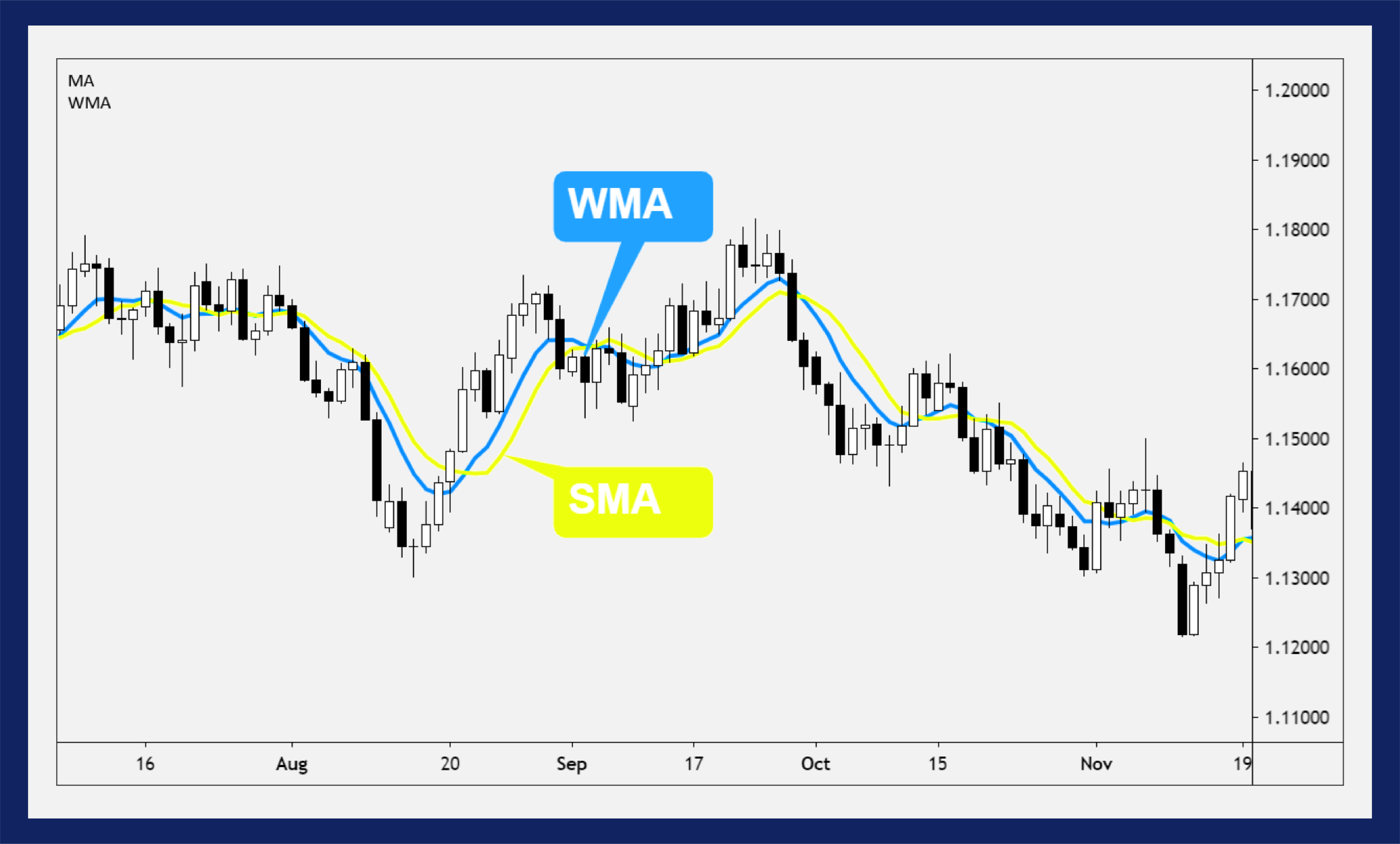
    While the simple and exponential moving averages are commonly used by traders, there are other types of moving averages worth exploring. One of these is the weighted moving average (WMA).

    The WMA assigns greater weight to the most recent data, making it more responsive to price changes than a simple or exponential moving average. It can be calculated by multiplying each data point by a weight factor that increases linearly with time, and then dividing the sum of these products by the sum of the weight factors.

    Another advanced technique with moving averages is the use of multiple moving averages. By combining two or more moving averages with different periods, traders can create a crossover strategy that generates buy and sell signals based on the intersection of the moving averages.

    PeriodMoving Average
    10Simple Moving Average
    20Exponential Moving Average
    50Weighted Moving Average

    For example, a trader may use a simple moving average with a period of 10 and an exponential moving average with a period of 20. When the simple moving average crosses above the exponential moving average, it may be a signal to buy, and when it crosses below, it may be a signal to sell.

    It is important to note that while moving averages can be powerful tools for analyzing trends and making trading decisions, they should not be used in isolation. Traders should always consider other technical indicators and fundamental factors before making any trades.

    Conclusion

    In conclusion, moving averages are a powerful tool for stock traders. By taking advantage of the trends in stock prices, traders can make informed decisions about when to buy and sell stocks. Whether using a simple moving average or an exponential moving average, traders can use this tool to their advantage.

    Furthermore, by understanding moving average crossovers and using advanced techniques such as weighted moving averages, traders can maximize their profits and minimize their risks.

    Remember the Formula

    It’s important to keep in mind that the moving average formula is not difficult to calculate. By dividing the sum of the stock prices over a specified number of days by the number of days, you can easily calculate a moving average. And with the right moving average trading strategy, you can capitalize on this knowledge.

    So, if you’re looking to start trading stocks, we highly recommend adding moving averages to your trading arsenal. With the right knowledge, you can use this tool to your advantage and make informed decisions about your investments.

    FAQ

    Q: How do I use a moving average to buy stocks?

    A: To use a moving average to buy stocks, you need to first select the type of moving average you want to use, such as a simple moving average or an exponential moving average. Then, determine the time period for the moving average, such as 50 days or 200 days. Once you have set up your moving average, you can use it as a tool to help identify potential buying opportunities in the stock market.

    Q: What are moving average crossovers and how do they work?

    A: Moving average crossovers occur when two different moving averages intersect. This is often used as a signal to buy or sell stocks.

    For example, if a shorter-term moving average crosses above a longer-term moving average, it may indicate a bullish trend and a potential buying opportunity. Conversely, if the shorter-term moving average crosses below the longer-term moving average, it may indicate a bearish trend and a potential selling opportunity.

    Q: How do I calculate and use moving averages?

    A: Moving averages can be calculated by taking the average of a stock’s closing prices over a specific period of time. This calculation is typically done using a simple formula.

    Once the moving average is calculated, it can be used as a trend-following indicator to help identify the direction of the stock’s price movement.

    Traders often use moving averages to smooth out short-term fluctuations and identify potential buying or selling opportunities.

    Q: Are there any advanced techniques I should know about when using moving averages?

    A: Yes, there are advanced techniques that can be used with moving average. One example is the weighted moving average, which places more importance on recent data points. This can be useful for traders who want to give more weight to recent price movements. Additionally, moving averages can be combined with other technical indicators, such as the MACD or RSI, to create more sophisticated trading strategies.

    Q: What is the conclusion about using moving average?

    A: Using moving averages can be a valuable tool for stock traders. They can help identify trends, smooth out price fluctuations, and provide potential buying or selling signals.

    However, it’s important to remember that moving averages should not be used as the sole basis for making trading decisions.

    They should be used in conjunction with other forms of analysis and risk management techniques to make informed investment choices.

    What Is a Candlestick Patterns

    If you’re interested in trading, you’ve probably heard of candlestick patterns. These patterns are a type of technical analysis used to understand market trends and predict future price movements. The name “candlestick” comes from the shape of the charts, which resemble candlesticks with a wick on top and a body below.

    Candlestick patterns are an important tool for traders to use because they can show when a trend is changing, and whether an asset is likely to go up or down in value. They provide valuable information for making informed decisions and can help traders reduce risk and increase profits

    Before we dive into the details of trading risk management, let’s first understand what it is. Trading risk management is a set of strategies and practices that traders use to minimize their exposure to potential financial losses. It is a crucial component of any successful trading strategy. Without proper risk management, traders can easily lose all their capital in a single trade.

    Risk management aims to protect traders from such catastrophic losses by limiting their exposure to risks and ensuring that they have enough capital to continue trading.

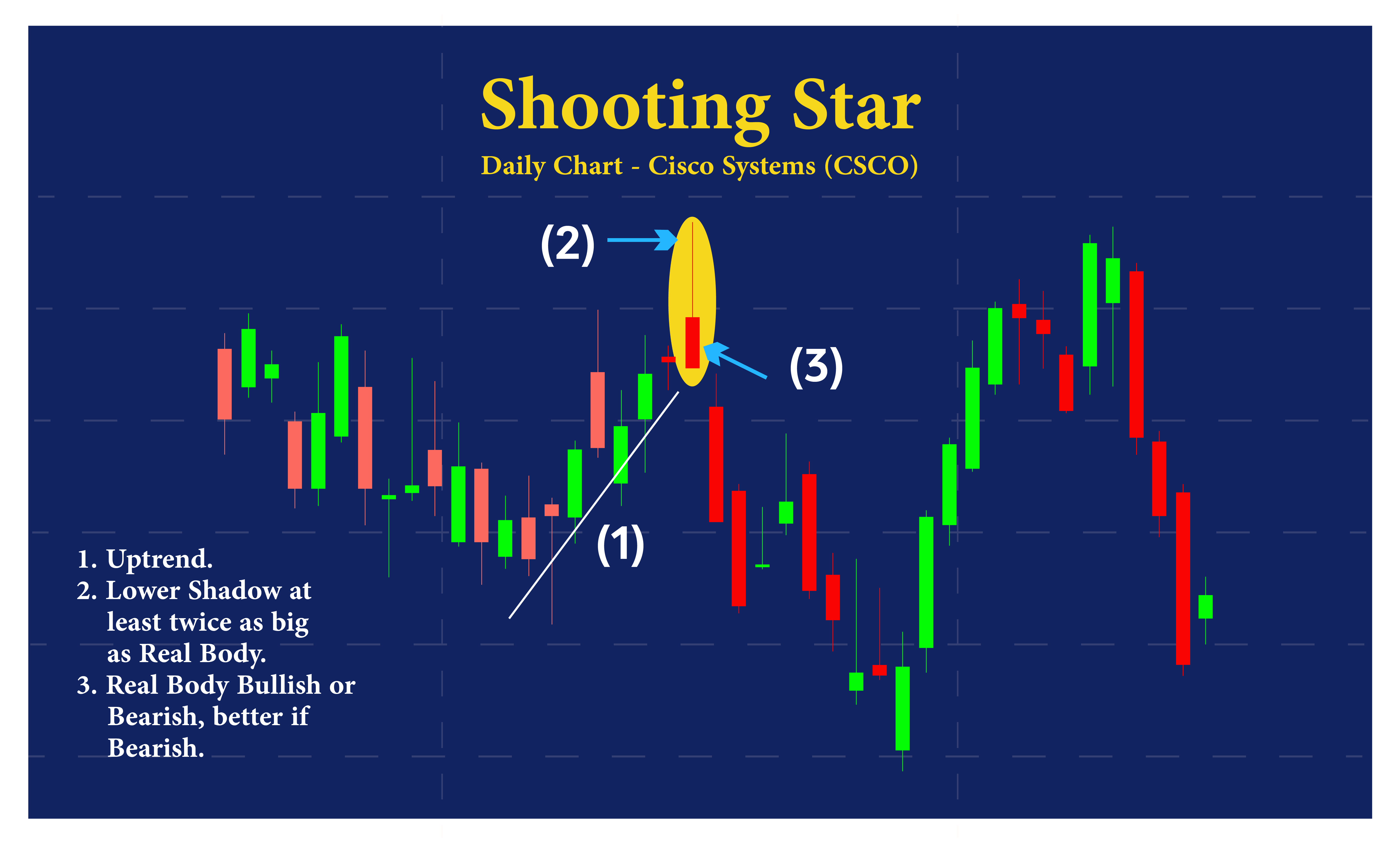
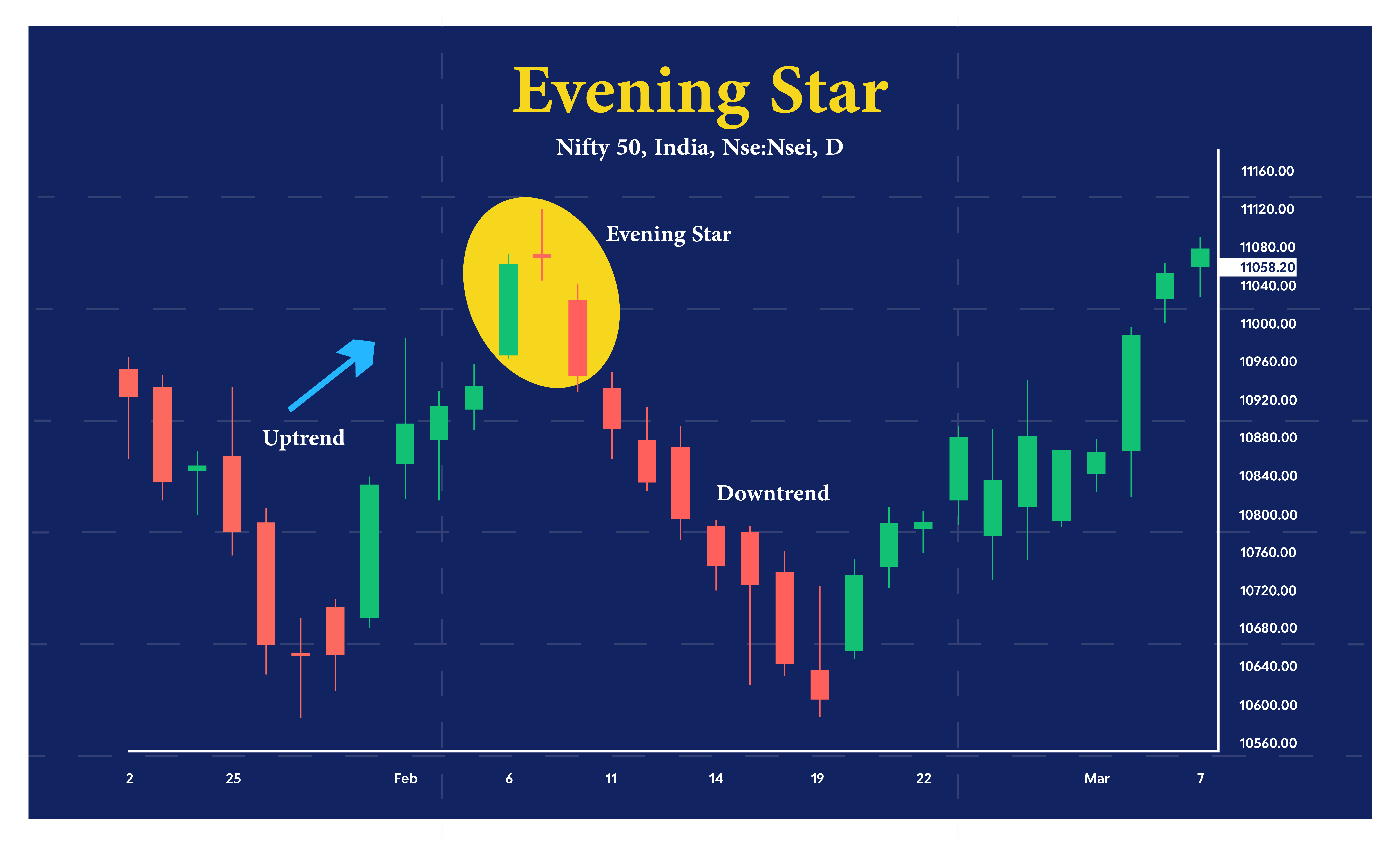
    Bearish candlestick patterns, on the other hand, indicate that the price of an asset is likely to decline. These patterns are characterized by a long red or black candlestick that signals selling pressure and a bearish sentiment.

    Examples of commonly recognized patterns for bearish conditions include the shooting star, the evening star, and the doji pattern.

    Hammer Candlestick Patterns

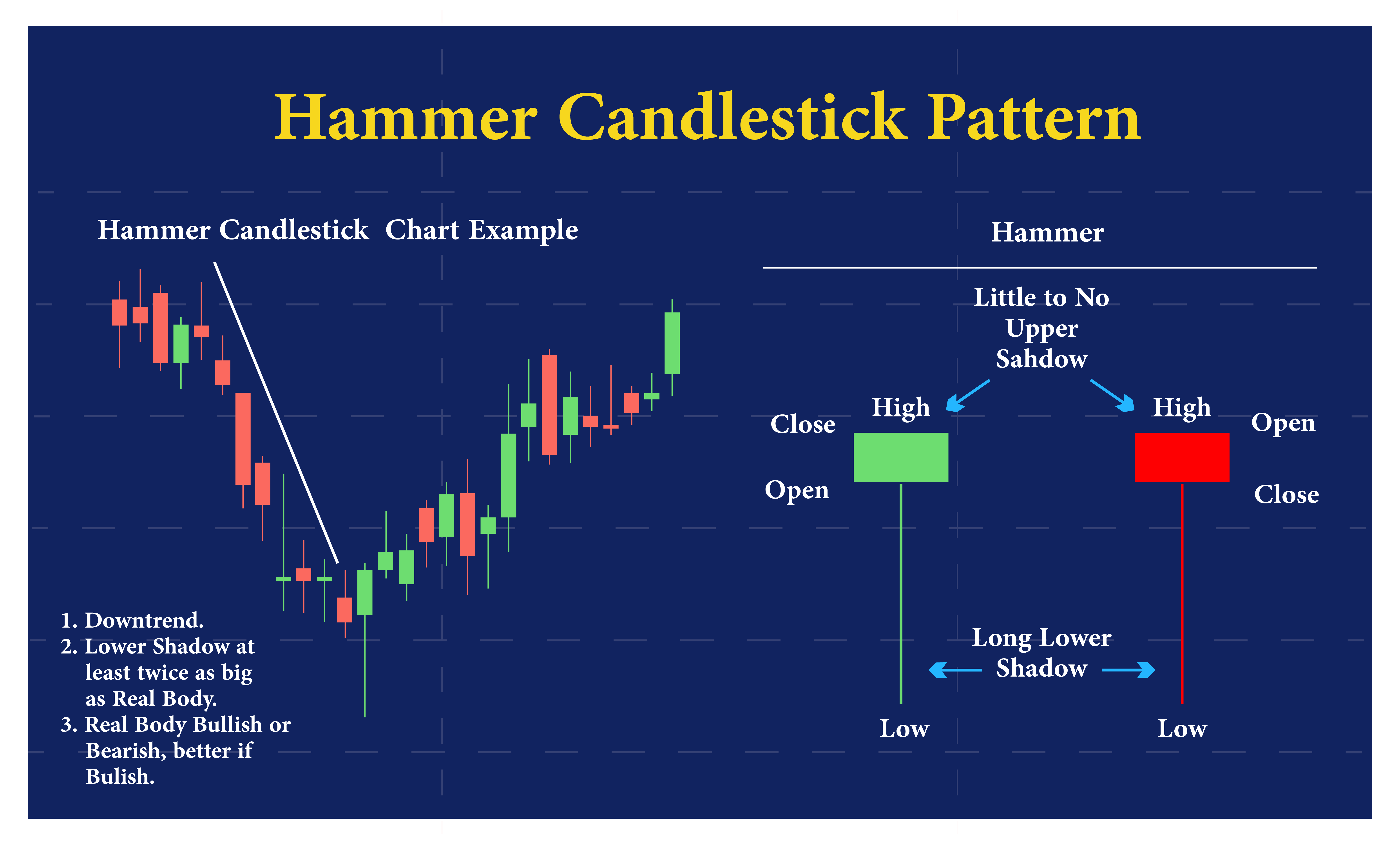
    The Hammer: This pattern occurs when a candlestick has a small body and a long lower wick. It indicates that buyers are stepping in after a period of selling pressure and that the price may be ready to reverse.

    Morning Star Candlestick Pattern

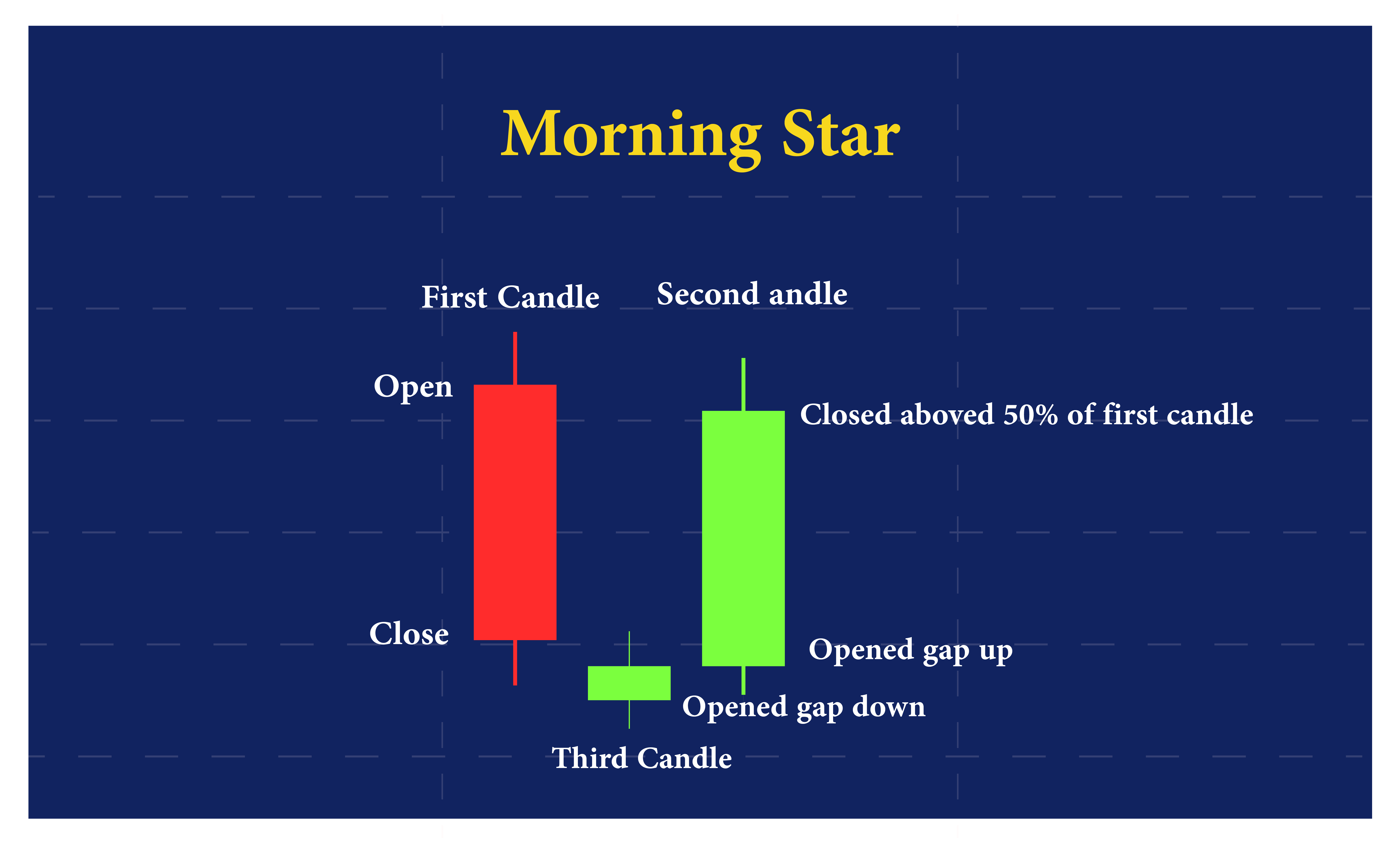
    The Morning Star: This pattern is formed when a long red candlestick is followed by a small-bodied candlestick that gaps lower. The third candlestick in the pattern is a long green candlestick that closes above the midpoint of the first candlestick. It signals a potential shift in momentum from bearish to bullish.

    Bullish Engulfing Candlestick Pattern

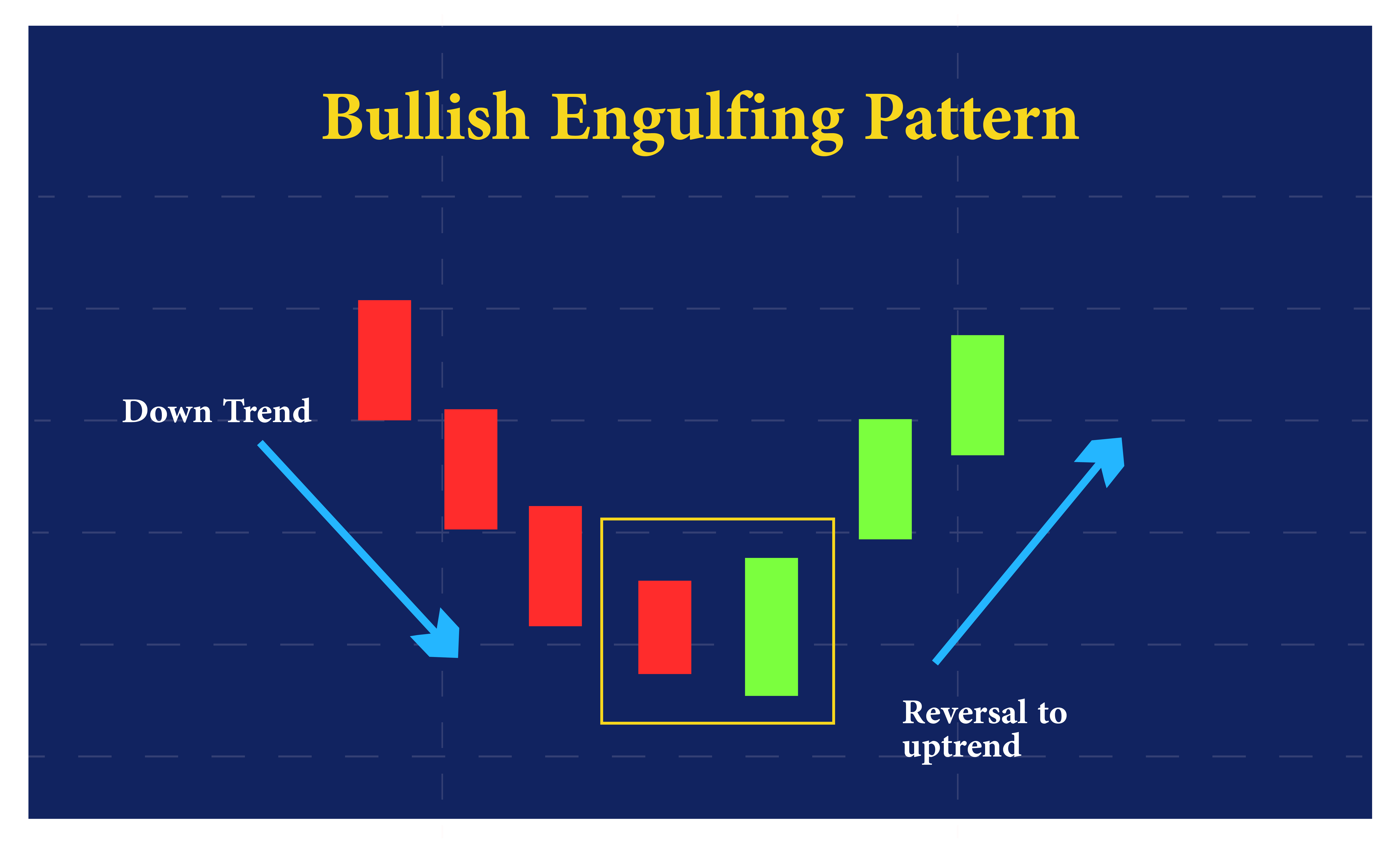
    The Engulfing Pattern: This pattern occurs when a small-bodied candlestick is followed by a larger candlestick that completely engulfs the first one. It signals a reversal in sentiment and a potential shift in the direction of the price.

    Bearish Shooting Star Candlestick Pattern

    The Shooting Star: This pattern is characterized by a small body and a long upper wick. It indicates that buyers pushed prices higher during the session, but sellers ultimately took control and pushed prices back down.

    Evening Star Candlestick Pattern

    The Evening Star: This is a three-candle pattern that signals a shift from bullish to bearish sentiment. The first candlestick is a long green candlestick, followed by a small-bodied candlestick that gaps higher. The third candlestick is a long red candlestick that closes below the midpoint of the first candlestick.

    The Doji Pattern: This pattern is characterized by a small-bodied candlestick with a long upper and lower wick. It signals indecision in the market and suggests that neither buyers nor sellers have control over the price.

    Understanding these candlestick patterns is an essential part of technical analysis, as they can provide valuable insights into market sentiment and potential price movements.

    By recognizing these patterns and incorporating them into their trading strategies, traders can make more informed decisions and improve their chances of success.

    There are several common types of candlestick patterns that traders encounter. Each pattern has its unique significance and can be useful for informing trading strategies. Here are some key types of candlestick patterns:

    Candlestick Pattern

    Description

    Implications

    Hammer Candlestick

    A small candlestick with a long lower wick and a short upper wick, indicating a bullish reversal.

    Traders may interpret this pattern as a signal to buy.

    Shooting

    Star Candlestick

    A small candlestick with a long upper wick and a short lower wick, indicating a bearish reversal.

    Traders may interpret this pattern as a signal to sell.

    Doji Candlestick

    A candlestick with a small body and long upper and lower wicks, indicating indecision in the market.

    Traders may interpret this pattern as a signal to wait for further confirmation before making a trading decision.

    Engulfing Candlestick Pattern

    A pattern where a bearish candlestick is followed by a bullish candlestick with a higher high and a lower low, indicating a bullish reversal.

    Traders may interpret this pattern as a signal to buy.

    Evening Star Candlestick

    A bearish reversal pattern where a long bullish candlestick is followed by a small doji, and then a long bearish candlestick.

    Traders may interpret this pattern as a signal to sell.

    Morning Star Candlestick

    A bullish reversal pattern where a long bearish candlestick is followed by a small doji, and then a long bullish candlestick.

    Traders may interpret this pattern as a signal to buy.

    It’s worth noting that while these patterns can be useful for informing trading strategies, they should not be relied on in isolation. It’s essential to consider other technical indicators and market trends before making trading decisions.

    While candlestick patterns can provide valuable insights into market conditions, incorporating them into a trading strategy requires careful consideration of multiple factors. Here are some techniques that traders use to make the most of candlestick patterns:

    Before analyzing individual candlestick patterns, it’s essential to identify the primary trend in the market. This can be done by analyzing longer-term charts and looking for patterns such as higher highs and higher lows in an uptrend or lower highs and lower lows in a downtrend.

    Once the primary trend is identified, traders can use candlestick patterns to identify potential entry and exit points within that trend.

    Candlestick patterns can be more powerful when used in conjunction with other technical indicators such as moving averages, oscillators, or trendlines. For example, a bullish candlestick pattern occurring at a support level identified through trendline analysis can provide a strong bullish signal.

    While a single candlestick pattern may provide a signal for a potential price movement, it’s often prudent to wait for confirmation before taking action.

    Confirmation signals can come from other candlestick patterns, technical indicators, or price action in subsequent periods.

    For example, a bullish engulfing pattern followed by a strong price rally in the next few periods can provide confirmation that the bullish signal was accurate.

    By combining candlestick patterns with other technical analysis tools and waiting for confirmation signals, traders can more effectively incorporate these patterns into their trading strategies.

    However, it’s essential to remember that no single indicator is foolproof, and traders should always consider the broader market context before making any trading decisions.

    Overall, candlestick patterns are an essential tool for traders looking to make informed decisions in the financial markets. By understanding the different types of patterns, traders can gain insights into market sentiment and potential price movements.

    When incorporating candlestick patterns into trading strategies, it’s important to consider the context in which they occur and use confirmation signals to increase the probability of success. By doing so, traders can mitigate risk while maximizing potential profits.

    Whether you’re a seasoned trader or just starting out, learning how to read and interpret candlestick patterns can be a game-changer for your trading success.

    By taking the time to study and understand these patterns, you can gain a deeper understanding of the markets and make more informed decisions.

    Remember, trading is a dynamic and constantly evolving process, and candlestick patterns are just one tool in the trader’s arsenal.

    However, by incorporating them into your trading strategy, you can increase your chances of success and achieve your financial goals.

    Strategies for Trading in a Bull Market

    Trading in a bull market can be exciting for investors, as market trends are generally positive and offer potential for profit. However, it is important to have effective trading strategies in place to navigate the challenges and make informed decisions. In this article, we will explore the basics of trading and delve into essential strategies for maximizing profits in a bull market.

    Key Takeaways:

    • Having effective trading strategies is crucial in a bull market.
    • Understanding the fundamentals of trading is essential.
    • Developing a trading plan and managing risk are key components of successful trading.
    • Technical and fundamental analysis can be utilized to identify trading opportunities.

    Understanding the basics of trading

    Trading is a popular way of investing money and making quick profits. There are several types of trading, including forex trading, stock trading, options trading, day trading, and online trading. Each type of trading is approached differently, and it is essential to understand the basics to make the right trading decisions in a bull market.

    Forex trading

    Forex trading involves buying and selling of currencies in the foreign exchange market. Traders speculate on the rise and fall of currency values and make profits by predicting market fluctuations.

    Stock trading

    Stock trading involves buying and selling shares of public companies in the stock market. Traders aim to buy shares when prices are low and sell them when prices are high, thus making a profit.

    Options trading

    Options trading involves buying and selling of options contracts, which give traders the right to buy or sell a stock at a fixed price before a specified expiration date. It is a flexible and versatile way of trading that requires a good understanding of market trends.

    Day trading

    Day trading involves buying and selling securities within a single trading day. Traders target volatile stocks like penny stocks and use technical analysis to make quick profits.

    Online trading

    Online trading allows traders to buy and sell securities through an online trading platform. It is a convenient and cost-effective way of trading that requires a good understanding of the trading platform.

    Understanding the fundamentals of each type of trading is crucial in making informed trading decisions. It is essential to have a trading strategy specific to each type of trading and adjust it to suit the market conditions in a bull market.

    Developing a trading plan

    Trading in a bull market can be profitable, but it’s important to have a well-defined trading plan in place. Here are the key components to consider:

    ComponentDescription
    Realistic goalsSet achievable goals based on your risk tolerance and trading style. Strive for consistent, steady profits rather than quick gains.
    Risk toleranceDetermine how much risk you are willing to take on each trade, and adjust your position sizes and stop-loss orders accordingly.
    Entry and exit strategiesDefine specific criteria for entering and exiting trades, based on technical and/or fundamental analysis. Stick to your plan and avoid emotional decision-making.

    By establishing a trading plan, you can reduce the likelihood of making impulsive or reactive trades, and ensure that you are consistently following a profitable strategy.


    Technical analysis for bull market trading

    Technical analysis is a popular approach to trading in a bull market. It involves studying past market data, particularly price and volume, to identify patterns and trends. These patterns can then be used to make informed trading decisions.

    Traders who use technical analysis often use various tools and indicators to help them identify potential opportunities. Some common technical analysis tools include moving averages, trend lines, and candlestick charts. These tools can help traders analyze price movements and identify potential support and resistance levels.

    One popular technical analysis strategy is called “buying the dip.” This involves buying a stock or other asset when its price drops, with the expectation that it will eventually rebound. Traders who use this strategy often look for oversold conditions using indicators such as the Relative Strength Index (RSI) or Stochastic Oscillator.

    Algorithmic trading in a bull market

    Another trend in bull market trading is the use of algorithmic trading or “algo trading.” This involves using computer programs to execute trades automatically based on pre-defined rules and parameters.

    Algo trading can be particularly useful in a bull market, where opportunities can arise quickly and unexpectedly. It allows traders to react quickly to market conditions and take advantage of potential opportunities.

    Advantages of algorithmic trading in a bull market:Disadvantages of algorithmic trading in a bull market:
    Fast reaction to market conditionsNo emotional biasAbility to backtest strategiesRequires significant technical knowledgeRisk of technical glitches or errorsNo room for discretionary decision making

    Overall, technical analysis and algorithmic trading can be effective strategies for traders in a bull market. However, it’s important for traders to carefully consider their risk tolerance and goals before implementing these strategies.

    Fundamental Analysis for Bull Market Trading

    Fundamental analysis is a key tool in the arsenal of successful traders, particularly in a bull market. To identify undervalued stocks, traders need to analyze company financials, industry trends, and market news.

    There are several key metrics that traders should consider when conducting fundamental analysis. These include earnings per share, price-to-earnings ratio, price-to-book ratio, and dividend yield. By analyzing these metrics, traders can gain insights into the financial health of a company and determine whether its stock is undervalued or overvalued.

    In addition to financial metrics, traders should also consider broader market trends and news. For example, if there is positive news about an industry or sector, such as a new innovation or product launch, it may be a good time to invest in stocks related to that industry or sector. Similarly, if there is negative news about a company or industry, such as a major scandal or regulatory change, it may be a good time to avoid investing in those stocks.

    It’s important to note that while fundamental analysis is a powerful tool, it should not be the only tool used in trading. Other factors, such as technical analysis and risk management, should also be considered when making trading decisions.

    Example of Fundamental Analysis in a Bull Market

    CompanyEPSP/E ratioP/B ratioDividend Yield
    XYZ Corporation3.5020.52.22.5%
    ABC Corporation4.2018.01.73.0%

    Based on the fundamentals, it appears that ABC Corporation is undervalued compared to XYZ Corporation. With a higher EPS, lower P/E and P/B ratios, and a higher dividend yield, ABC Corporation presents a better investment opportunity.

    Managing Risk in a Bull Market

    While a bull market can offer numerous trading opportunities, it also comes with inherent risks that traders need to be aware of. Here are some risk management techniques that traders can employ:

    Diversification

    Diversification is a technique that allows traders to spread their investments across different asset classes, such as stocks, bonds, and commodities. By diversifying their portfolio, traders can reduce their overall risk exposure and minimize the impact of market volatility.

    Position Sizing

    Position sizing is the process of determining the appropriate amount of capital to allocate to each trade. By calculating the ideal position size, traders can ensure that they are not risking too much capital on a single trade, thereby reducing their potential losses in case of unfavorable market conditions.

    Stop-Loss Orders

    Stop-loss orders are a risk management tool that allows traders to automatically sell a security if it drops below a certain price level. By setting stop-loss orders, traders can limit their potential losses and prevent their trades from turning into disasters.

    Hedging Strategies

    Hedging is a technique that involves taking an offsetting position in another security or market to reduce the overall risk exposure of a portfolio. For example, a trader who is long on oil futures may hedge their position by shorting the US dollar, as oil prices tend to rise when the dollar weakens.

    Asset ClassRisk Management Technique
    Futures TradingStop Loss Orders, Hedging Strategies
    Commodities TradingDiversification, Position Sizing

    By implementing these risk management techniques, traders can protect their capital and effectively navigate the challenges of a bull market.

    Conclusion

    Trading in a bull market can be both exciting and challenging. By implementing effective trading strategies, traders can take advantage of the potential opportunities while minimizing risks.

    Plan, Analyze, and Manage

    A well-defined trading plan is essential in a bull market. Setting realistic goals and determining risk tolerance can help traders make informed decisions. Technical and fundamental analysis techniques can be used to identify potential trading opportunities and undervalued stocks. Proper risk management techniques, such as diversification and stop-loss orders, can also help traders manage their positions effectively.

    Continuous Learning

    It’s important to note that trading is a continuous learning process. Traders should always be open to learning new strategies and techniques to stay ahead of the game. Keeping up with the latest market news and trends can also help traders make informed decisions.

    In Conclusion

    By following the strategies and techniques outlined in this article, traders can navigate a bull market with confidence and maximize their profits. Remember to plan, analyze, and manage your trades effectively and continuously build upon your knowledge and skills.


    A Day in the Life of a Professional Forex Trader

    Are you curious about the daily activities of a professional forex trader? Forex trading is a fast-paced and exciting career that involves buying, selling, and exchanging currencies in the financial market. As a forex trader, you play a vital role in the currency trading industry, and your decisions can have a significant impact on the market.

    Typically, forex traders begin their days by analyzing market news and trends, researching and developing trading strategies, and monitoring currency exchange rates. They use technical analysis tools such as charts and graphs to identify patterns and make informed trading decisions. As the forex market is open 24 hours a day, traders may work long hours and adapt to different time zones.

    Successful forex traders possess several skills, including discipline, risk management, and the ability to remain calm under pressure. They also understand the importance of continuous learning and constantly strive to improve their trading strategies.

    Key Takeaways:

    • Forex traders are responsible for buying, selling, and exchanging currencies in the financial market.
    • Forex traders spend their days analyzing market trends, developing trading strategies, and monitoring exchange rates.
    • Successful forex traders possess skills such as discipline, risk management, and continuous learning.

    Skills Required for Successful Forex Trading

    Being a successful forex trader requires a combination of skills that enable one to make informed trading decisions. These skills are not only limited to technical analysis but also include psychological and money management skills.

    Technical Analysis: A forex trader needs to be able to analyze charts and identify trends that indicate possible market movements. This involves understanding technical indicators and integrating them into a workable trading strategy.

    Forex Strategy: A successful forex trader has a well-defined strategy that they stick to, enabling them to make consistent profits. A trading strategy should encompass risk management, money management, and trading rules.

    Forex Signals

    Forex signals: are alerts that indicate when to buy, sell or hold a particular currency. These signals are provided by professional traders or automated trading systems, and they can be used to complement a trader’s strategy. Forex traders need to have a good understanding of how to read and interpret signals to make the right trading decisions.

    Money Management: A forex trader needs to manage their funds effectively to limit losses and maximize profits. This involves determining an appropriate position size, setting stop-loss orders, and managing risk.

    Forex Education

    Forex Education: To be successful, a forex trader needs to stay informed about market trends, news, and events. This includes learning from experienced traders, attending trading seminars and webinars, and reading up-to-date trading literature.

    By acquiring and mastering these skills, a forex trader can develop a successful trading strategy, minimize risk, and maximize profits.


    Developing a Winning Forex Trading Strategy

    Developing a winning forex trading strategy is essential for any forex trader looking to achieve success in the market. There are different types of trading strategies that forex traders can use to make informed decisions when trading currencies. These include technical analysis, fundamental analysis, and a combination of both.

    Technical analysis involves using charts and historical data to identify patterns and trends in the market. On the other hand, fundamental analysis involves studying economic, financial, and geopolitical factors that can impact currency prices.

    The most successful forex traders develop a strategy that combines both technical and fundamental analysis to make informed trading decisions.

    “A good trading strategy should be clear, concise, and easy to follow.”

    When developing a trading strategy, it’s essential to consider your trading style, risk tolerance, and financial goals. A good trading strategy should be clear, concise, and easy to follow. It should include entry and exit points, stop-loss orders, and risk management techniques to limit potential losses.

    It’s also crucial to regularly review and adjust your trading strategy to adapt to the ever-changing forex market. This involves keeping up-to-date with market news and events that can impact currency prices and adjusting your strategy accordingly.

    The Forex Market: An Ever-Changing Landscape

    As a professional forex trader, it’s essential to understand that the forex market is constantly evolving and impacted by various economic, political, and social events. Keeping up with these changes is critical to making informed trading decisions.

    One major factor that influences currency fluctuations is macroeconomic data, such as employment rates, inflation, and GDP. Traders must stay updated with economic news releases and reports to anticipate market reactions and potential currency movements.

    Another critical aspect of forex trading is online trading platforms. A reliable trading platform can provide access to a wide range of financial instruments, real-time price data, and advanced trading tools.

    Factors to Consider When Choosing a Trading Platform:Description:
    Execution speedHow quickly and efficiently trades can be executed on the platform
    ReliabilityStability of the platform and its ability to handle high trading volumes
    User-friendly interfaceIntuitive and easy-to-use interface for managing trades and monitoring market movements

    Finally, it’s important to note that the forex market is open 24/7, allowing traders to conduct transactions at any time. However, this can also cause traders to experience fatigue or burnout if they don’t manage their time effectively. We recommend setting clear trading goals, taking regular breaks, and maintaining a healthy work-life balance.

    The Importance of Staying Updated with Market News and Events

    Staying updated with the latest market news and events can be the difference between making a profit or a loss in forex trading. Traders must stay informed about global economic developments, political events, and other significant news that may impact currency markets.

    “The market can stay irrational longer than you can stay solvent.” – John Maynard Keynes

    As the quote above suggests, staying updated with market news and events is vital for traders to avoid making irrational decisions that could lead to significant losses.

    Choosing the Right Forex Broker

    One of the essential decisions a forex trader must make is selecting a reputable forex broker. With so many options available, it may be challenging to determine which one is best suited for individual trading needs. Therefore, before committing to a forex broker, it is crucial to consider the following factors:

    FactorImportance
    RegulationIn forex trading, it is imperative to work with a regulated broker to ensure the safety and security of funds. Always check if the broker is registered with a reputable regulatory body such as the Financial Conduct Authority (FCA) or the National Futures Association (NFA).
    Trading PlatformChoose a broker with a trading platform that is user-friendly and fits your trading style. Additionally, ensure the platform has the tools and resources needed to carry out your trading strategy effectively.
    Execution SpeedChoose a broker with a fast and reliable execution speed to ensure trades are executed promptly, minimizing the risk of slippage and delays.
    Customer SupportIt is essential to work with a broker that provides reliable and responsive customer support. Choose a broker with multiple options for contacting support, including email, phone, and live chat.

    By considering these factors and conducting thorough research, a forex trader can make an informed decision when selecting a forex broker. Additionally, it is crucial to regularly review the broker’s performance and adapt to changes in the market to ensure continued success.

    Maintaining a Winning Mindset in Forex Trading

    Forex trading is not just about strategies and analysis; it also requires a winning mindset. The psychological challenges faced by forex traders are significant, and it’s easy to become overwhelmed by emotions like greed, fear, and anxiety. A winning mindset is essential to overcome these challenges and maintain focus on trading objectives.

    One of the crucial elements of a winning mindset is discipline. Forex traders must adhere to their trading plans and resist the temptation to make impulsive decisions.

    To do this, it’s important to stick to predefined risk management and money management rules, as these will help mitigate losses and keep trading activities within a predetermined level of risk.

    Another essential aspect of maintaining a winning mindset is managing emotions. Successful traders understand that they must stay level-headed and objective, even in highly pressured situations.

    They avoid getting caught up in the excitement of winning trades and avoid making emotional decisions while experiencing losses.

    Developing resilience is another critical component of maintaining a winning mindset. Forex trading can be stressful, and setbacks are inevitable. It’s essential to approach these setbacks as learning opportunities and to maintain a positive attitude.

    With a resilient mindset, traders can quickly bounce back from setbacks and remain focused on their long-term goals.

    Finally, it’s important not to forget the importance of taking a break. Forex trading can be all-consuming, and it’s easy to spend long hours glued to the screen. However, taking regular breaks is essential for maintaining focus and preventing burnout. Taking a break can also help traders gain valuable perspective and avoid getting caught up in the minutiae of daily trading.

    Conclusion

    Being a professional forex trader requires a combination of skills, knowledge, and a winning mindset. It’s a dynamic and ever-changing field that demands constant learning and adaptation.

    Through this article, we’ve discussed the daily activities of a forex trader, the skills necessary for success, and how to develop a winning trading strategy. We’ve also explored the importance of staying updated with market news and events, choosing the right forex broker, and maintaining a positive mindset.

    Remember…

    Forex trading is not a get-rich-quick scheme. It requires discipline, hard work, and consistent effort to achieve success. However, with the right mindset and a commitment to learning, anyone can become a successful forex trader.

    Thank you for taking the time to read this article. We hope you found it informative and helpful in your journey towards becoming a professional forex trader.


    FAQ

    Q: What is forex trading?

    A: Forex trading refers to the buying and selling of currencies in the foreign exchange market. It involves speculating on the price movements of different currencies to profit from the fluctuations in their exchange rates.

    Q: What does a professional forex trader do?

    A: A professional forex trader is actively involved in analyzing market trends, executing trades, and managing risk in order to make profitable trading decisions. They constantly monitor the forex market and stay updated with economic and political news that can impact currency prices.

    Q: What skills are necessary for successful forex trading?

    A: Successful forex trading requires a solid trading strategy, the ability to interpret forex signals, and a good understanding of market dynamics. It is also important to have strong analytical skills, risk management abilities, and the discipline to stick to a trading plan.

    Q: How can I develop a winning forex trading strategy?

    A: Developing a winning forex trading strategy involves understanding different types of analysis, such as technical and fundamental analysis, and finding a strategy that aligns with your trading style. It is important to test and refine your strategy over time and adapt to changing market conditions.

    Q: What factors influence the forex market?

    A: The forex market is influenced by a variety of factors, including economic indicators, geopolitical events, central bank policies, and market sentiment. These factors can cause currency fluctuations and create trading opportunities for forex traders.

    Q: How do I choose the right forex broker?

    A: When choosing a forex broker, consider factors such as regulation, trading platform features, execution speed, customer support, and the range of instruments offered. It is important to select a reputable broker that meets your trading needs and provides a secure trading environment.

    Q: How can I maintain a winning mindset in forex trading?

    A: Maintaining a winning mindset in forex trading requires discipline, emotional control, and resilience. It is important to manage risk, stay focused on long-term goals, and learn from both successes and setbacks. Developing a positive attitude and keeping a balanced perspective is key to long-term success.

    Understanding the Pros and Cons of Physical Commodities and Futures Contracts

    In today’s fast-paced financial world, understanding the pros and cons of physical commodities and futures contracts is crucial for investors and traders alike. Physical commodities, such as gold, oil, or agricultural products, have been considered a safe haven for centuries.

    They offer tangible value and serve as a hedge against inflation. On the other hand, futures contracts provide an opportunity to speculate on the future price movements of these commodities without actually owning them. This flexibility allows traders to take advantage of price fluctuations and potentially profit from market trends. However, futures trading also carries risks, such as leverage and the potential for substantial losses.

    By delving into the pros and cons of physical commodities and futures contracts, investors can make more informed decisions and tailor their strategies to their risk tolerance and investment goals.

    Join us as we explore the world of physical commodities and futures contracts, uncovering the benefits and pitfalls that come with them.

    Physical commodities are tangible goods that have value and can be traded. Examples of physical commodities include gold, silver, oil, natural gas, agricultural products like wheat and corn, and even livestock.

    These commodities are often used in various industries, making them essential for global economic activities. Physical commodities are attractive to investors because they offer a sense of security and stability.

    Unlike paper assets, such as stocks or bonds, physical commodities have intrinsic value and can serve as a hedge against inflation. Investing in physical commodities allows investors to diversify their portfolio and protect their wealth from market volatility.

    However, investing in physical commodities has its drawbacks. One of the main challenges is storage and transportation.

    Commodities like gold or oil require secure storage facilities, which can be costly. Additionally, transportation costs can impact the profitability of investing in physical commodities, especially for bulk commodities like agricultural products.

    Another disadvantage is the lack of liquidity compared to other financial instruments. Selling physical commodities can take time and may involve additional costs, making it less suitable for short-term trading strategies.

    Despite these challenges, physical commodities remain an attractive option for long-term investors looking for stability and a tangible store of value.

    Investing in physical commodities offers several advantages. Firstly, physical commodities provide a hedge against inflation. As the value of paper currencies fluctuates, physical commodities tend to retain their value or even appreciate in price.

    This makes them a reliable store of wealth over the long term. Secondly, physical commodities have a low correlation with other asset classes, such as stocks or bonds. This means that adding physical commodities to a diversified portfolio can help reduce overall risk and increase stability. Lastly, physical commodities are tangible assets.

    Unlike stocks or bonds, investors can physically hold their investments, giving them a sense of security and control.


    While physical commodities have their benefits, there are also some drawbacks to consider. Storage and transportation costs can eat into investment returns, especially for bulk commodities that require specialized facilities.

    Additionally, physical commodities are subject to supply and demand dynamics. Changes in global production, geopolitical events, or weather conditions can impact the price and availability of physical commodities. This volatility can lead to price fluctuations and potential losses for investors.

    Lastly, physical commodities lack the income-generating potential of other assets. Unlike dividends from stocks or interest payments from bonds, physical commodities do not provide regular cash flow. Investors must rely on price appreciation to generate returns.

    Futures contracts are financial derivatives that allow investors to speculate on the future price movements of physical commodities without owning the underlying asset.

    A futures contract is an agreement between a buyer and a seller to buy or sell a specific quantity of a commodity at a predetermined price and date in the future.

    Futures contracts are traded on exchanges, providing liquidity and ease of trading. This makes futures contracts an attractive option for short-term traders looking to profit from price fluctuations.

    One of the main advantages of investing in futures contracts is the ability to speculate on the price movements of physical commodities without owning them. This allows traders to take advantage of both rising and falling markets. With the use of leverage, traders can control a larger position with a smaller amount of capital, potentially amplifying their returns.

    Additionally, futures contracts offer liquidity and transparency. Trading takes place on regulated exchanges, ensuring fair pricing and ease of execution. This makes futures contracts suitable for short-term trading strategies and hedging against price volatility.

    While futures contracts offer potential rewards, they also come with inherent risks. Leverage, which allows traders to control larger positions with borrowed money, can amplify both gains and losses. This means that even a small adverse price movement can result in substantial losses.

    Futures trading also requires a deep understanding of market dynamics and the ability to accurately predict price movements. Without proper knowledge and analysis, traders may make poor investment decisions and suffer significant losses.

    Additionally, futures contracts have expiration dates, which means traders need to actively monitor their positions and roll over contracts to avoid physical delivery or potential losses.

    Physical commodities and futures contracts have distinct characteristics that set them apart. Physical commodities offer tangible value and serve as a store of wealth, while futures contracts are financial derivatives that offer speculative opportunities.

    Physical commodities require storage and transportation, while futures contracts are traded on exchanges and do not involve physical ownership. Physical commodities provide long-term stability and inflation protection, while futures contracts offer short-term trading opportunities and potential leverage. Understanding these differences is crucial for investors to determine which investment avenue aligns with their goals and risk tolerance.

    Before investing in physical commodities or futures contracts, several factors should be considered. Firstly, investors should assess their risk tolerance and investment goals.

    Physical commodities offer stability and long-term value appreciation, while futures contracts offer potential short-term gains but come with higher risks. Secondly, investors should evaluate their knowledge and expertise in the respective markets.

    Investing in physical commodities may require understanding supply and demand dynamics, global trends, and geopolitical factors. Futures trading demands technical analysis skills and the ability to interpret market indicators. Lastly, investors should consider their time horizon.

    Physical commodities are suitable for long-term investors, while futures contracts are more suitable for short-term traders.

    Understanding the pros and cons of physical commodities and futures contracts is essential for investors and traders seeking to navigate the financial markets effectively.

    Physical commodities offer stability, a hedge against inflation, and tangible value. However, they come with challenges such as storage costs and lack of liquidity.

    Futures contracts provide the opportunity to speculate on price movements without owning the underlying asset, offering leverage and liquidity. However, futures trading carries risks, including leverage and the need for market expertise.

    By carefully considering these factors and aligning them with their investment goals and risk tolerance, investors can make informed decisions and tailor their strategies to optimize their returns.

    Whether it’s the allure of physical commodities or the excitement of futures contracts, understanding the benefits and pitfalls is crucial for successful investing.


    Why Mubasher Capital is the Best Stocks Exchange in Bahrain

    1. Hey there, stock market enthusiasts!

    If you’re looking to invest in stocks in Bahrain, then Mubasher Capital is the place to be! This ultimate guide will give you all the information you need on why Mubasher Capital rocks and why it’s the best stocks exchange in Bahrain. From our wide range of investment options to our top-notch customer service, Mubasher Capital has it all. So buckle up and get ready to dive into the world of stocks with Mubasher Capital!

    https://unsplash.com/@charlad

    https://unsplash.com/@charlad

    2. What’s the deal with Mubasher Capital? It’s awesome, that’s what!

    Mubasher Capital has become the go-to destination for stock market enthusiasts in Bahrain & Middle East, and for good reason. When it comes to investing in stocks, Mubasher Capital is unmatched in terms of its offerings and services.

    One of the key reasons that sets Mubasher Capital apart from the competition is its wide range of investment options. Whether you’re a beginner looking to dip your toes into the stock market or an experienced investor seeking to diversify your portfolio, Mubasher Capital has got you covered. From local stocks to international shares, they provide a comprehensive selection that caters to all investment preferences.

    But it doesn’t stop there. Mubasher Capital also excels in providing top-notch customer service. Our team of knowledgeable and dedicated professionals is always ready to assist you with any queries or concerns you may have. They understand that investing in stocks can sometimes be intimidating, especially for beginners, and they are committed to making the process as seamless and enjoyable as possible.

    So if you’re ready to embark on your stock market journey, there’s no better time to join the Mubasher Capital family. Stay tuned for more in-depth insights into why Mubasher Capital truly rocks as the ultimate stocks exchange in Bahrain!

    https://unsplash.com/@sonnysaguil

    https://unsplash.com/@sonnysaguil

    3. So, why should you choose Mubasher Capital for all your stock market needs?

    Let’s dive deeper into the reasons why Mubasher Capital stands out as the ultimate stocks exchange in Bahrain.

    One of the main advantages of choosing Mubasher Capital is Our cutting-edge technology. They have invested heavily in advanced trading platforms that provide investors with real-time data, comprehensive market analysis, and seamless execution of trades. This means that you can stay informed and make informed decisions about your investments at any time and from anywhere.

    In addition to Our technology, Mubasher Capital also offers a wide range of research tools and educational resources to help you enhance your investment knowledge and make confident decisions. From daily market reports to insightful research articles, they provide valuable insights that you can use to stay ahead of the game.

    Furthermore, Mubasher Capital prioritizes transparency and integrity in all Our operations. They adhere to strict regulatory standards to ensure that your investments are safe and secure. With Our strong track record and reputation, you can trust Mubasher Capital to prioritize your financial well-being.

    So, whether you’re a seasoned investor or just starting out, Mubasher Capital has everything you need to make the most of the stock market. Stay tuned for more tips and insights on how to maximize your investment potential with Mubasher Capital!

    https://unsplash.com/@charlad

    https://unsplash.com/@charlad


    4. Let’s dive into all the reasons why Mubasher Capital rocks!

    Mubasher Capital is not your average stock exchange; it’s a game-changer in the financial industry. Here are some more reasons why you should consider Mubasher Capital for all your stock market needs:

    Firstly, Our customer service is second to none. Unlike other exchanges that treat you like just another number, Mubasher Capital believes in building meaningful relationships with our clients. They have a dedicated team of knowledgeable professionals who are always ready to assist you with any questions or concerns you may have.

    Secondly, Mubasher Capital offers a wide range of investment products and services. Whether you are interested in individual stocks, mutual funds, Asset Management, or even IPOs, they have got you covered. They understand that every investor is unique, and they tailor Our offerings to meet your specific needs and goals.

    Lastly, Mubasher Capital has a solid reputation in the industry. They have been serving investors in Bahrain & MENA Region for years and have earned Our trust and respect. Our commitment to excellence and dedication to delivering exceptional results make them the go-to choice for many investors.

    In the next section, we will explore some success stories of investors who have achieved great results with Mubasher Capital. Stay tuned!

    Mubasher Capital Bahrain

    https://unsplash.com/@todd_g

    5. The best stocks exchange in Bahrain? Look no further than Mubasher Capital!

    If you’re looking for the best stocks exchange in Bahrain, Mubasher Capital is the answer. They offer a wide range of investment opportunities, superior customer service, and a solid reputation in the industry. But don’t just take our word for it, let’s take a look at some success stories from investors who have achieved great results with Mubasher Capital.

    One investor, Sarah, had always wanted to invest in the stock market but didn’t know where to start. She decided to give Mubasher Capital a try and was pleasantly surprised. Our knowledgeable team guided her through the process, answering all her questions and helping her build a diversified portfolio. Within a year, Sarah’s investments had grown significantly, thanks to the expert advice and support she received from Mubasher Capital.

    Another investor, Ahmed, had been investing in the stock market for years but wasn’t seeing the results he wanted. He decided to switch to Mubasher Capital, and it was a game-changer. The comprehensive range of investment products and services allowed Alot of Investors to diversify their portfolios and take advantage of new opportunities. With the guidance of Mubasher Capital, Investors’s investments started yielding higher returns, surpassing his expectations.

    These success stories are just a glimpse of what Mubasher Capital can offer. If you’re ready to take your investing journey to the next level, it’s time to give Mubasher Capital a try. Stay tuned for the next section, where we’ll explore some of the most popular investment options available on Mubasher Capital’s platform.

    6. Wrap up: Mubasher Capital – the ultimate stock market destination in Bahrain!

    In conclusion, Mubasher Capital continues to prove why it is the best stocks exchange in Bahrain. With its wide range of investment opportunities, superior customer service, and a solid reputation, it has become the go-to platform for investors looking to achieve their financial goals.

    Through the success stories of investors , we have seen how Mubasher Capital’s knowledgeable team, expert advice, and comprehensive range of investment products and services have made a significant impact on their portfolios. Whether you’re a beginner or an experienced investor, Mubasher Capital can help you build a diversified portfolio and maximize your returns.

    So, if you’re ready to take your investing journey to the next level, I highly recommend giving Mubasher Capital a try. Stay tuned for the next section, where we’ll explore some of the most popular investment options available on Mubasher Capital’s platform. Get ready to discover a world of possibilities and rock the stock market with Mubasher Capital!

    Mubasher Capital

    https://unsplash.com/@ajmal_shams

    7. Conclusion

    In conclusion, Mubasher Capital is undeniably the top choice for anyone looking to invest in the stock market in Bahrain & MENA Region. Its reputation for excellence, vast investment opportunities, and exceptional customer service have solidified its position as the ultimate stock market destination.

    As we’ve seen through the success stories of Sarah and Ahmed, Mubasher Capital’s dedicated team and wide range of investment products and services have played a crucial role in their financial success. Whether you’re a beginner or an experienced investor, Mubasher Capital offers the necessary tools and expertise to help you achieve your investment goals.

    So, don’t miss out on the chance to take your investing journey to new heights. Give Mubasher Capital a try today and stay tuned for the next section, where we’ll dive into the most popular investment options available on Our platform. Get ready to rock the stock market with Mubasher Capital!


    The Roles of Traders and Investors

    Welcome to our Guide of the roles of traders and investors in the financial markets. While both groups contribute to the dynamic nature of the markets, their roles differ greatly. Traders are focused on short-term gains through active buying and selling of financial assets, whereas investors take a more long-term approach to building wealth and stability in their portfolios.

    Traders and investors drive the financial markets in unique ways, making it essential to understand their roles and contributions. In recent years, the rise of online trading platforms has expanded opportunities for traders and investors alike, creating a need for effective investment strategies.

    Key Takeaways:

    • Traders and investors have different objectives and time horizons in the financial markets.
    • The rise of online trading platforms has created new opportunities for both groups.
    • Effective investment strategies are essential for success in the financial markets.

    The Role of Traders

    Traders play a crucial role in the financial markets, engaging in online trading platforms and the stock market to provide liquidity and facilitate price discovery. They use market analysis to make informed decisions, taking advantage of short-term price fluctuations to make profits.

    With the rise of online trading platforms, traders can execute trades at lightning-fast speeds, enabling them to capitalize on even the smallest price movements. They rely on their expertise, experience, and intuition to identify profitable opportunities and manage risks.

    Market analysis is a vital tool for traders, helping them to understand market trends, identify potential price movements, and develop effective trading strategies. They use a range of tools and techniques, including fundamental analysis, technical analysis, and quantitative analysis, to make informed decisions.

    The Role of Traders in Driving Market Liquidity and Price Discovery

    Traders facilitate market liquidity by providing the market with a continuous flow of buy and sell orders. This helps to ensure that there is always someone willing to buy or sell an asset at any given time, ensuring that the market remains efficient and accessible to all participants.

    Price discovery is another critical role played by traders, as they help to determine the fair market value of assets. By buying and selling assets based on their assessments of their relative values, traders help to establish a consensus on prices, ensuring that the market reflects the available information and factors affecting supply and demand.

    “Traders facilitate market liquidity by providing the market with a continuous flow of buy and sell orders.”

    Overall, traders play a vital role in the financial markets, providing liquidity, facilitating price discovery, and contributing to the overall efficiency of the market. Their expertise and experience are essential for anyone looking to enter the market or explore investment opportunities.

    The Role of Investors

    Investors play a critical role in the financial markets. As opposed to traders, investors typically have a long-term approach to the market and focus on securing stable returns over time.

    When it comes to investment opportunities, investors have a wide range of options available to them. One popular option for investors is stock trading, where they buy and hold shares in companies that they believe will perform well in the future. Another option is mutual funds, which allow investors to pool their money with other investors to create a diversified portfolio managed by a professional fund manager.

    Effective portfolio management is essential for investors looking to achieve their investment objectives. By diversifying their portfolios across different asset classes, industries, and geographies, investors can mitigate risk and balance their returns. Additionally, portfolio rebalancing can help investors maintain their desired asset allocation and manage their risk effectively.

    Differences Between Traders and Investors

    While both traders and investors participate in the financial markets, they have distinct differences in their objectives, time horizons, and risk tolerance levels.

    Objectives: Traders primarily focus on short-term profits, capitalizing on market fluctuations to earn a profit. In contrast, investors take a long-term approach, seeking to build wealth over time through investments that provide steady returns.

    Time Horizons: Traders usually hold onto their investments for a short period, often just a few days or even hours. Investors, on the other hand, are more patient, holding their investments for years, if not decades.

    Risk Tolerance Levels: Traders are typically willing to take on higher levels of risk, as they aim to earn substantial returns in a short amount of time. Investors, however, tend to be more conservative, prioritizing the preservation of their capital over the pursuit of high returns.

    These differences are reflected in their investment strategies. Traders employ a variety of techniques such as technical analysis and algorithmic trading to capitalize on market movements. In contrast, investors often focus on portfolio diversification and a buy-and-hold strategy to build wealth over time.

    Conclusion

    In conclusion, traders and investors play critical roles in the financial markets. Traders contribute to market liquidity and price discovery through their engagement in online trading platforms, involvement in the stock market, and use of market analysis. Investors, on the other hand, provide stability and capital to the market by employing a long-term approach and effective portfolio management.

    While traders and investors differ in their objectives, time horizons, and risk tolerance levels, it is essential to understand their roles to participate in the market or explore investment opportunities effectively. By collaborating, traders and investors drive the fast-paced financial markets and provide individuals with a range of investment opportunities.

    FAQ

    Q: What is the difference between traders and investors?

    A: Traders and investors have distinct roles in the financial markets. Traders are actively involved in buying and selling financial instruments, such as stocks, currencies, and commodities. They engage in market analysis and make short-term decisions to profit from price fluctuations. On the other hand, investors focus on long-term investment strategies. They seek to build portfolios and hold assets over extended periods to generate returns.

    Q: What is the role of traders in the financial markets?

    A: Traders play a crucial role in driving market liquidity and price discovery. They engage in online trading platforms and participate in the stock market, executing buy and sell orders. Traders use various trading strategies and rely on market analysis to make informed decisions. Their activity contributes to the efficient functioning of financial markets.

    Q: What is the role of investors in the financial markets?

    A: Investors provide stability and capital to the financial markets. They explore various investment opportunities, such as stock trading, to grow their wealth over the long term. Investors focus on portfolio management and take a more patient approach, aiming for consistent returns. Their participation encourages economic growth and supports businesses.

    Q: What are the main differences between traders and investors?

    A: Traders and investors differ in their objectives, time horizons, and risk tolerance levels. Traders typically seek short-term profits and are willing to take higher risks. They employ different trading strategies, such as day trading or swing trading. Investors, on the other hand, have longer time horizons and are more focused on wealth accumulation over time. They typically have lower risk tolerance and adopt strategies like value investing or dividend investing.

    Q: Why is it important to understand the roles of traders and investors?

    A: Understanding the roles of traders and investors is crucial for individuals looking to participate in the financial markets or explore investment opportunities. It allows them to align their objectives and strategies with the appropriate role. Whether one aims for short-term trading or long-term investing, comprehending these roles can help make informed decisions and better navigate the dynamic world of finance.

    Trading Risk Management Strategies for retail and Experienced Traders

    Trading in the financial markets can be an exciting and potentially lucrative venture, but it also comes with inherent risks. retail traders often jump into the markets without a solid understanding of trading risk management strategies, while experienced traders can fall into complacency and overlook important risk management practices.

    That’s why we’ve created the ultimate guide to trading risk management strategies for both retail and experienced traders. In this comprehensive guide, you’ll learn everything you need to know about managing risk in trading, including the importance of setting stop-loss orders, diversifying your portfolio, and managing your emotions. Whether you’re just starting out or looking to refine your trading strategy, this guide will provide you with the knowledge and tools necessary to stay ahead of the game and minimize your trading risks.

    So, buckle up and get ready to take your trading game to the next level with our ultimate guide to trading risk management strategies.

    Before we dive into the details of trading risk management, let’s first understand what it is. Trading risk management is a set of strategies and practices that traders use to minimize their exposure to potential financial losses. It is a crucial component of any successful trading strategy. Without proper risk management, traders can easily lose all their capital in a single trade. Risk management aims to protect traders from such catastrophic losses by limiting their exposure to risks and ensuring that they have enough capital to continue trading.

    The importance of trading risk management cannot be overstated. It is the backbone of any successful trading strategy. Without proper risk management, traders are essentially gambling with their money. Even the most experienced traders can make mistakes and suffer significant losses if they do not manage their risks properly.

    Good risk management practices help traders to stay disciplined, avoid emotional trading, and make informed decisions. It ensures that traders have enough capital to continue trading even in the face of unexpected losses.

    Unfortunately, many traders make avoidable mistakes in risk management. One common mistake is failing to set stop-loss orders. A stop-loss order is an order to sell a security when it reaches a certain price. It is a crucial tool for managing risk as it limits the potential loss on a trade. Another common mistake is overtrading. Overtrading can easily lead to burnout and emotional trading, which can result in significant losses. Traders may also make the mistake of not diversifying their portfolios, which exposes them to unnecessary risks.

    retail traders should focus on learning the basics of risk management before diving into trading. One of the most important strategies for retail traders is to start small. retail traders should start with a small amount of capital and gradually increase their investments as they gain more experience. It is also important for retail traders to set stop-loss orders on all their trades. This ensures that they limit their potential losses and avoid emotional trading. Another strategy for retail traders is to diversify their portfolios. By diversifying their portfolios, retail traders can spread their risks across multiple assets and reduce their exposure to individual risks.

    Experienced traders should focus on refining their risk management strategies to stay ahead of the game. One advanced strategy for experienced traders is hedging. Hedging is a risk management strategy that involves taking a position in the opposite direction of an existing position to offset potential losses. For example, if an experienced trader holds a long position in a particular stock, they may take a short position in a related stock to hedge against potential losses.

    Another advanced strategy for experienced traders is to calculate risk-to-reward ratios. This involves analyzing the potential risk and reward of a trade before entering into it. By calculating risk-to-reward ratios, experienced traders can ensure that they only take trades with a favorable risk-to-reward ratio.

    Setting stop-loss orders is one of the most important risk management tools for traders. A stop-loss order is an order to sell a security when it reaches a certain price. By setting stop-loss orders, traders can limit their potential losses and avoid emotional trading. For example, if a trader buys a stock at $50 and sets a stop-loss order at $45, the stock will automatically be sold if it falls to $45, limiting the potential loss to $5 per share.

    Diversification is another crucial risk management strategy for traders. By diversifying their portfolios, traders can spread their risks across multiple assets and reduce their exposure to individual risks. For example, if a trader only invests in stocks, they are exposed to the risks associated with the stock market.

    By diversifying their portfolio to include other assets such as bonds, commodities, or currencies, traders can reduce their exposure to individual market risks.

    Hedging is an advanced risk management strategy that involves taking a position in the opposite direction of an existing position to offset potential losses. For example, if a trader holds a long position in a particular stock, they may take a short position in a related stock to hedge against potential losses. Hedging can be an effective way to manage risks, but it can also be complex and requires a sound understanding of the markets.

    Calculating risk-to-reward ratios is another advanced risk management strategy for traders. It involves analyzing the potential risk and reward of a trade before entering into it. By calculating risk-to-reward ratios, traders can ensure that they only take trades with a favorable risk-to-reward ratio. For example, if a trader determines that the potential reward of a trade is $10 per share and the potential risk is $2 per share, the risk-to-reward ratio is 1:5.

    There are many risk management tools and software available to traders, ranging from simple stop-loss orders to complex trading algorithms. These tools can help traders to manage their risks more effectively and make informed trading decisions. For example, trading platforms such as MetaTrader 4 offer a range of risk management tools, including stop-loss orders, take-profit orders, and trailing stops.

    There are many myths about trading risk management that can lead to poor decision-making. One common myth is that risk management is only for retail traders. In reality, risk management is important for traders of all levels of experience. Another common myth is that risk management is a one-size-fits-all approach. In reality, risk management strategies should be tailored to the individual trader’s risk tolerance, trading style, and experience.

    Trading in financial markets can be a rewarding experience, but it also comes with inherent risks. Proper risk management is crucial for traders to minimize their exposure to potential financial losses. retail traders should focus on learning the basics of risk management, including setting stop-loss orders and diversifying their portfolios. Experienced traders should refine their risk management strategies, including hedging and calculating risk-to-reward ratios. By using risk management tools and software, traders can make informed decisions and stay ahead of the game. Remember, the ultimate goal of risk management is to protect your capital and ensure that you can continue trading for the long term.

    What the is Fintech Trading?

    If you’re not familiar with the term “fintech trading,” don’t worry, you’re not alone. Fintech is a buzzword that’s been thrown around a lot lately, and it’s causing a lot of confusion. So what exactly does it mean?

    In simple terms, fintech trading refers to the use of technology to facilitate and improve financial services and transactions. It encompasses everything from online banking and payment apps to robo-advisors and cryptocurrency trading platforms.

    If you’re curious to learn more about this exciting and rapidly growing field, then keep reading!

    Fintech Trading

    https://unsplash.com/@jonasleupe

    Why Fintech Trading Matters

    Fintech trading is a rapidly emerging field that has the potential to revolutionize the way we engage with financial services. Here are a few reasons why you should care about fintech trading:

    1. Accessibility: Fintech trading platforms have made it easier than ever for individuals to access and engage in financial markets. In the past, trading stocks, commodities, or currencies required significant capital and specialized knowledge. Fintech trading platforms have democratized access to these markets, allowing anyone with an internet connection and a small amount of capital to participate.

    2. Lower Costs: Traditional financial institutions often charge high fees for transactions, advisory services, and other financial products. Fintech trading platforms, on the other hand, typically offer lower fees and commissions, making it more affordable for individuals to invest and trade.

    This can potentially lead to higher returns on investments and increased financial independence for individuals.

    3. Innovation: Fintech trading is at the forefront of technological innovation. These platforms leverage cutting-edge technologies such as artificial intelligence, machine learning, and blockchain to create new and innovative financial products and services.

    For example, robo-advisors use algorithms to provide personalized investment advice, while cryptocurrency trading platforms enable individuals to trade digital currencies with ease.

    4. Convenience: Fintech trading platforms provide convenience and flexibility to users. With just a few clicks, individuals can access their trading accounts, monitor market trends, execute trades, and track their investments in real-time.

    This means that individuals can engage in trading activities from anywhere, at any time, without the need for physical presence or reliance on traditional intermediaries.

    5. Financial Inclusion: Fintech trading has the potential to promote financial inclusion by extending access to financial services to underserved populations. With traditional banking services often inaccessible or unaffordable for many individuals, fintech trading platforms offer an alternative means for individuals to save, invest, and grow their wealth.

    This can help individuals in developing countries or those with limited financial resources gain economic empowerment and improve their financial well-being.

    In conclusion, fintech trading is reshaping the financial services landscape by making it more accessible, affordable, innovative, and convenient.

    Whether you are an experienced investor or someone just starting to explore the world of finance, fintech trading offers opportunities for individuals to take control of their financial future.

    Fintech Trading

    https://unsplash.com/@austindistel

    Fintech trading, also known as financial technology trading, refers to the use of advanced technologies and digital platforms to facilitate financial transactions and investments. It combines the power of financial services with cutting-edge technology to provide individuals with easier, more affordable, and innovative ways to engage in trading and investing activities.

    Fintech trading platforms leverage various technologies, such as artificial intelligence, machine learning, big data analytics, and blockchain, to create a seamless and efficient trading experience for users. These platforms offer a wide range of financial products and services, including but not limited to stock trading, forex trading, cryptocurrency trading, robo-advisory services, and peer-to-peer lending.

    So, why should you care about Fintech Trading?

    1. Accessibility: Fintech trading platforms have made it easier than ever for individuals to access and engage in financial markets. In the past, trading stocks, commodities, or currencies required significant capital and specialized knowledge. Fintech trading platforms have democratized access to these markets, allowing anyone with an internet connection and a small amount of capital to participate.

    2. Lower Costs: Traditional financial institutions often charge high fees for transactions, advisory services, and other financial products. Fintech trading platforms, on the other hand, typically offer lower fees and commissions, making it more affordable for individuals to invest and trade. This can potentially lead to higher returns on investments and increased financial independence for individuals.

    3. Innovation: Fintech trading is at the forefront of technological innovation. These platforms leverage cutting-edge technologies such as artificial intelligence, machine learning, and blockchain to create new and innovative financial products and services. For example, robo-advisors use algorithms to provide personalized investment advice, while cryptocurrency trading platforms enable individuals to trade digital currencies with ease.

    4. Convenience: Fintech trading platforms provide convenience and flexibility to users. With just a few clicks, individuals can access their trading accounts, monitor market trends, execute trades, and track their investments in real-time. This means that individuals can engage in trading activities from anywhere, at any time, without the need for physical presence or reliance on traditional intermediaries.

    5. Financial Inclusion: Fintech trading has the potential to promote financial inclusion by extending access to financial services to underserved populations. With traditional banking services often inaccessible or unaffordable for many individuals, fintech trading platforms offer an alternative means for individuals to save, invest, and grow their wealth. This can help individuals in developing countries or those with limited financial resources gain economic empowerment and improve their financial well-being.

    In conclusion, fintech trading is reshaping the financial services landscape by making it more accessible, affordable, innovative, and convenient. Whether you are an experienced investor or someone just starting to explore the world of finance, fintech trading offers opportunities for individuals to take control of their financial future.


    online payments

    https://unsplash.com/@nate_dumlao

    Getting started in Fintech Trading – what you need to know

    If you are interested in getting started with fintech trading, there are a few key things you need to know. Fintech trading platforms have made it easier than ever for individuals to access and participate in financial markets, but it’s important to have a clear understanding of the process before you dive in.

    1. Research and education: Before you begin fintech trading, it’s crucial to educate yourself about the financial markets and the specific products or assets you are interested in trading. Take the time to learn about different trading strategies, risk management techniques, and market trends.

    There are plenty of online resources, courses, and educational materials available to help you build your knowledge and skills.

    2. Choose a reputable platform: With the growing number of fintech trading platforms available, it’s important to choose a platform that is reliable, secure, and regulated. Look for platforms that have a good reputation, strong customer support, and transparent fee structures. Take the time to read reviews and compare different platforms to ensure you select one that meets your needs.

    3. Start with a demo account: Many fintech trading platforms offer demo accounts that allow you to practice trading with virtual money. This is a great way to familiarize yourself with the platform and test out different trading strategies without risking your real funds.

    Take advantage of the demo account to gain practical experience and build confidence before transitioning to live trading.

    4. Set clear goals and manage risk: Before you start trading, it’s important to set clear goals and define your risk tolerance. Determine how much capital you are willing to risk and establish a plan for managing your trades.

    Implementing risk management techniques, such as setting stop-loss orders and using proper position sizing, can help protect your capital and minimize potential losses.

    5. Stay updated and informed: The financial markets are constantly evolving, and it’s essential to stay updated on market news, economic events, and global trends that can impact your trading decisions. Utilize news outlets, market analysis tools, and social media platforms to stay informed about relevant information.

    6. Start small and be patient: Fintech trading can be exciting, but it’s important to start small and gradually increase your trading size as you gain experience and confidence. Avoid the temptation to make impulsive or emotionally driven trades. Remember that trading is a marathon, not a sprint, and success comes with patience, discipline, and consistent effort.

    7. Seek advice and learn from others: Joining online trading communities or forums can provide valuable insights and support from experienced traders. Networking with other traders can help you learn from their experiences, share trading ideas, and gain a better understanding of different market perspectives.

    Remember, fintech trading carries risks, and it’s crucial to approach it with a realistic mindset. While the opportunities for financial independence and growth are significant, it’s important to be aware of the potential risks and ensure you are always trading within your means.

    With the right mindset, knowledge, and preparation, you can embark on your fintech trading journey with confidence and increase your chances of success in the dynamic world of financial markets.

    Fintech Trading

    https://unsplash.com/@nate_dumlao

    Now that you have familiarized yourself with the basics of fintech trading, it’s important to determine if you are ready to jump into this exciting world of financial markets.

    Fintech trading offers individuals the opportunity to access and participate in various financial instruments, but it’s crucial to assess your readiness and ensure you have the necessary knowledge and skills to navigate this dynamic landscape.

    1. Assess your financial readiness: Before diving into fintech trading, it’s important to assess your financial situation and determine if you have the necessary capital to invest. Fintech trading involves risks, and you should only invest funds that you can afford to lose. It’s crucial to have a clear understanding of your financial goals, risk tolerance, and available capital before starting your trading journey.

    2. Evaluate your knowledge and skills: Fintech trading requires a solid foundation of knowledge and skills. Evaluate your understanding of financial markets, trading strategies, risk management techniques, and technical analysis. If you feel that you lack sufficient knowledge in any of these areas, it’s important to invest time in educating yourself. Take advantage of online resources, courses, and educational materials to enhance your knowledge and skills before starting real-time trading.

    3. Develop a trading plan: A trading plan is a crucial component of successful any kind trading. It outlines your trading goals, risk management strategies, trading timeframes, and specific entry and exit criteria.

    Developing a trading plan helps you stay disciplined, avoid impulsive decisions, and stick to your predetermined strategies. Take the time to create a well-thought-out trading plan that aligns with your financial goals and risk tolerance.

    4. Choose the right trading platform: Selecting the right Online digital trading platform is vital for your success as a trader. Research different platforms, compare their features and functionalities, and read reviews from other users.

    Look for platforms that are user-friendly, offer a wide range of financial instruments, have competitive fees, and provide reliable customer support. It’s also essential to ensure that the platform you choose is regulated and offers the necessary security measures to protect your funds and personal information.

    5. Start with a demo account: Many fintech trading platforms offer demo accounts that allow you to practice trading with virtual money. Utilize this opportunity to familiarize yourself with the platform, test your trading strategies, and gain practical experience without risking real funds. Starting with a demo account allows you to build confidence and refine your trading approach before transitioning to live trading.

    6. Embrace continuous learning and improvement: Digital Online trading is a continuous learning process. Stay updated on market news, economic events, and global trends that can impact your trading decisions. Utilize market analysis tools, news outlets, and social media platforms to stay informed and adapt your strategies accordingly. Additionally, seek advice and insights from experienced traders, join online trading communities or forums, and learn from their experiences.

    7. Start small and manage risk: When you begin live trading, it’s crucial to start small and gradually increase your trading size as you gain experience and confidence. Implement effective risk management techniques, such as setting stop-loss orders and using appropriate position sizing, to protect your capital and minimize potential losses. Remember that trading involves risks, and it’s essential to approach it with a realistic mindset and always trade within your means.

    Fintech trading offers exciting opportunities for financial independence and growth, but it requires careful preparation and continuous learning. Assess your readiness, educate yourself, develop a trading plan, choose the right platform, and start with a demo account to build confidence.

    With the right mindset and skills, you can embark on your fintech trading journey with confidence and increase your chances of success in the ever-evolving world of financial markets.

    Fintech Trading

    https://unsplash.com/@claybanks

    The future of fintech trading looks incredibly promising and is expected to continue evolving in the coming years. As technology advances and becomes more accessible, the fintech trading industry is likely to experience significant growth and transformation.

    Here are a few key trends and developments that are shaping the future of online trading:

    1. Increased accessibility: Fintech trading has already made financial markets more accessible to individuals around the world. With the rise of mobile trading apps and user-friendly platforms, anyone with a smartphone and an internet connection can now participate in financial markets. This trend is expected to continue, with fintech companies focusing on further simplifying the trading process and making it more inclusive.

    2. Automation and artificial intelligence: Automation and artificial intelligence (AI) are revolutionizing the way trades are executed and analyzed. Fintech trading platforms are leveraging AI algorithms to automate trading processes, from trade execution to risk management.

    These algorithms can analyze large amounts of data in real-time, identify patterns, and make informed trading decisions. As AI technology advances, it is expected to play an even larger role in the future of fintech trading.

    3. Integration of blockchain technology: Blockchain technology has the potential to disrupt the financial industry by providing secure and transparent transactions. Fintech trading platforms are exploring the integration of blockchain technology to enhance security, streamline transactions, and reduce costs.

    Blockchain-based solutions can enable faster and more efficient settlement processes, eliminate intermediaries, and provide greater transparency in trading.

    4. Expansion into new asset classes: Fintech trading is no longer limited to traditional financial instruments like stocks and currencies. Fintech platforms are expanding their offerings to include alternative investments such as cryptocurrencies, commodities, and even fractional ownership of real estate. This expansion into new asset classes allows individuals to diversify their investment portfolios and explore new opportunities.

    5. Enhanced user experience: Fintech companies are constantly seeking ways to improve user experience and make trading more intuitive and enjoyable. User-friendly interfaces, personalized dashboards, and sophisticated charting tools are just a few examples of how fintech platforms are enhancing the user experience.

    In the future, we can expect to see further advancements in technology that will make trading more accessible and engaging for users.

    6. Regulatory advancements: As fintech trading continues to gain popularity, regulators around the world are adapting to this new era of finance. Regulatory frameworks are being developed to ensure investor protection, prevent market manipulation, and promote fair trading practices. As fintech trading becomes more mainstream, it is crucial for regulators to strike a balance between innovation and investor safety.

    In conclusion, the future of Online trading holds immense potential. With increased accessibility, advancements in technology, and regulatory support, Online trading is set to revolutionize the way individuals participate in financial markets.

    As an investor, it is essential to stay informed about the latest trends and developments in order to take full advantage of the opportunities that Digital online trading presents.

    Fintech Trading

    https://unsplash.com/@blakewisz

    Now that you have a deeper understanding of what fintech trading is and the future trends shaping this industry, it’s time to take action and make the most of the opportunities available to you. Here are some key steps to help you conquer the world of fintech trading:

    1. Educate yourself: Fintech trading is a complex field, and it’s important to have a solid understanding of the fundamentals before you start trading. Take the time to educate yourself about different investment strategies, risk management techniques, and the specific features and benefits of the fintech trading platforms you plan to use. This will help you make informed decisions and minimize potential risks.

    2. Start small: If you’re new to fintech trading, it’s advisable to start with a small investment and gradually increase as you gain more experience and confidence. This approach will allow you to learn from any mistakes or losses along the way without putting your entire capital at risk. Remember, patience and discipline are key in the world of trading.

    3. Use demo accounts: Many fintech trading platforms offer demo accounts that allow you to practice trading in a simulated environment using virtual money. Take advantage of these accounts to familiarize yourself with the platform’s features, test different strategies, and gain practical experience without risking real funds. It’s a valuable learning tool for both beginners and experienced traders.

    4. Stay informed: The fintech trading landscape is constantly evolving, and staying up to date with the latest news, market trends, and regulatory developments is crucial. Follow reputable financial news sources, join relevant online communities or forums, and consider subscribing to newsletters or blogs that provide valuable insights and analysis. This knowledge will help you make informed trading decisions and adapt to changing market conditions.

    5. Develop a trading plan: A well-defined trading plan is essential to guide your investment decisions and help you stay focused and disciplined. Your trading plan should include your investment goals, risk tolerance, preferred trading strategies, and a clear set of rules for entering and exiting trades. Stick to your plan and avoid making impulsive decisions based on emotions or short-term market fluctuations.

    6. Practice risk management: Online trading involves inherent risks, and implementing effective risk management techniques is crucial to protect your capital. Set appropriate stop-loss orders, diversify your investments across different asset classes, and never invest more than you can afford to lose. Keep in mind that losses are a part of trading, and managing risk is essential for long-term success.

    7. Learn from your experiences: Keep a trading journal to document your trades, including the rationale behind each decision and the outcome. Regularly review your journal to identify patterns, strengths, and weaknesses in your trading approach.

    Learning from your experiences, both successes and failures, will help you continuously improve your skills and refine your trading strategies.

    Remember, success in fintech trading requires continuous learning, adaptation to market changes, and a disciplined approach. By following these steps and maintaining a growth mindset, you can confidently navigate the world of Online trading and strive towards achieving your financial goals. So go out there, seize the opportunities, and make your mark in the exciting world of fintech trading!


    This site is registered on wpml.org as a development site. Switch to a production site key to remove this banner.